The Rise of One-Person Households: A Global Shift Toward Individualized Living
Nov 1, 2026
The global share of one-person households continues to rise. This is not merely a change in marriage and housing choices, but a structural revolution across all age groups—one that signals the arrival of a new era in which the “individual” has become the basic social unit.
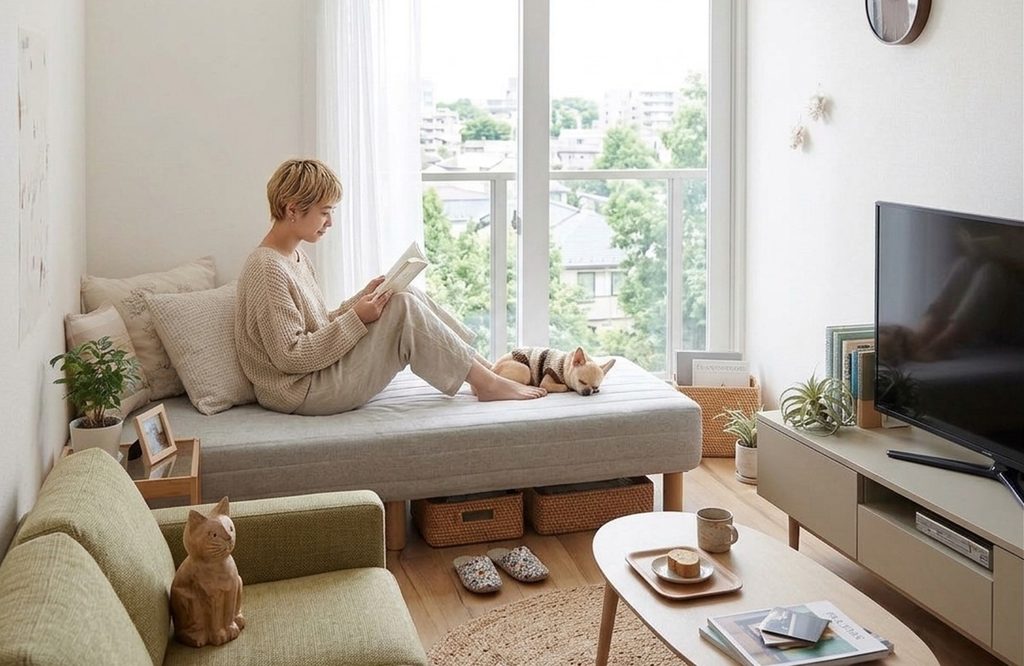
TAIPEI, TAIWAN (MERXWIRE) – When 32-year-old Chen Yu-ching returns to her eight-ping studio apartment in Taipei’s Zhongshan District after work, her dog, MOYA, greets her at the door. For her, life with a pet is the ideal life. Chen has been in a stable three-year relationship with her boyfriend, and their relationship is harmonious, but she has no plans to move in together or marry. She says that rather than forming a family, she enjoys the freedom of living alone—being able to live at her own pace without having to accommodate a partner’s habits.
Chen’s choice to remain unmarried and live alone also reflects a mainstream shift in today’s family structures. In 2025, Taiwan had more than 3.99 million registered one-person households, accounting for roughly 40 percent of all households and making it the most common household type. As more people choose to live alone, the definition of “home” is increasingly moving beyond the traditional model of marriage and family formation.
At the heart of this transformation—“building a home as one person”—is not that “people are becoming lonelier,” but that the social contracts governing marriage, childbirth, work, housing, and care are being rewritten. As more people live alone for extended periods, housing, consumption, labor, long-term care, and urban governance must shift from assuming the “nuclear family” as the default to treating the “individual” as the basic unit.
The Shrinking Global Family: A Cross-Continental Structural Transformation
From single-person apartments in Stockholm and solo hot-pot restaurants in Seoul to senior living-alone communities in Tokyo and miniature-appliance stores in Shanghai, “living alone” is no longer a marginal social exception. It has become a major change in global family structures. The rise of one-person households is not a cultural phenomenon confined to a single country, but a demographic shift confronting both developed and emerging economies.
According to market research firm Euromonitor, one-person households are expanding faster than any other household type worldwide. In 2024, single-person households accounted for 20.6 percent of homes globally. They are projected to grow by 44.8 percent between 2024 and 2040, reaching nearly 700 million households, or about 26 percent of households worldwide. The Asia-Pacific region alone is expected to contribute nearly half of the world’s new single-person households.
One-Person Households Major Countries and Shares
| Country | Share (%) | Statistical Year | Characteristics |
|---|---|---|---|
| South Korea | 36.6% | 2025 | Fastest transformation; youth independence coexists with elderly solo living |
| Japan | 41.4% | 2025 | A pioneer in the solo economy and governance of elderly people living alone |
| Taiwan | 40.5% | 2025 | Later marriage, non-marriage, and population aging |
| Finland | 47.0% | 2024 | Nearly half of households are one-person |
| Sweden | 40% | 2024 | Men and women living alone each account for about 20% |
| Germany | 41.6% | 2024 | One-person households are the largest group despite traditional family values |
| United States | 29.0% | 2024 | Individualism, later marriage, and higher divorce rates |
| China | 25.4% | 2020 | Over 125 million one-person households; traditional family values are shifting |
The data from these countries show that this shift in living arrangements crosses geographic regions and cultural contexts. Whether it is the extreme personal autonomy enabled by Nordic welfare systems, the lifestyle transformation driven by East Asia’s intense urbanization and fast-paced living, the deep-rooted individualism of Europe and North America, or the dismantling of traditional family values in emerging markets, all point to a common trajectory: as individual living conditions mature, family structures become increasingly individualized.
The figures also reveal notable differences between countries. Finland leads at 47%, while Taiwan, Japan and Germany all exceed 40%, showing that one-person households are becoming a significant part of household structures across different regions. By contrast, the United States and China report lower shares, although China’s data are from 2020 and are not directly comparable with more recent figures.
Taken together, the data from these benchmark countries demonstrate that the rise of one-person households is not an accidental phenomenon confined to one region or culture. Rather, it is a structural inevitability in global housing and lifestyle choices, emerging as economic independence increases, social safety systems become more robust, and individual support systems become widespread.
Farewell to the Traditional Family Model: The Drivers Behind the Solo-Living Boom
Society is moving from “the family as the collective core” toward “the individual as the unit of daily life.” The safety net once built through traditional marriage and cohabitation is loosening. In its place, a powerful tide—driven by changing views on marriage and childbearing, population aging, urban survival pressures, and digital technology—is comprehensively reshaping how we live and how society operates.
Drivers behind the formation of one-person households:
- Delayed or abandoned marriage and childbearing: Later marriage, non-marriage, divorce, and declining birth rates mean that “marry, have children, and form a family” is no longer the only life script.
- Aging and widowhood: Longer life expectancy increases the number of years people live alone. In Japan, people aged 65 and above account for 34.4 percent of one-person households, while in South Korea, people aged 70 and above living alone have become one of the largest age groups.
- Urbanization and high housing costs: Employment opportunities are concentrated in cities, but soaring home prices and rents make small apartments, renting, co-living, and single-person housing rational choices.
- Digital life lowers the cost of living alone: Food delivery, streaming, remote work, social media, and solo travel allow one person to conveniently manage daily needs, making solo living no longer synonymous with social isolation.
From the perspective of changing attitudes toward marriage and childbearing, later marriage, non-marriage, and low fertility have eroded the dominance of the traditional family script once regarded as the standard model. Demographically, longer life expectancy and aging have substantially extended the period of solo living in old age, causing the share of elderly people living alone to rise sharply in countries such as Japan and South Korea—an undeniable social reality.
Meanwhile, urbanization has concentrated jobs and resources in cities. Under the practical pressure of high housing prices and rents, small apartments and rental housing have become the most rational and cost-effective choices for individuals. At the same time, the spread of digital technologies—such as food delivery, streaming entertainment, and remote work—has not only significantly reduced the cost of maintaining daily life, but has also fundamentally transformed the isolating nature of solo living. People can retain complete personal independence while remaining seamlessly connected to the outside world at any time.
Moreover, a one-person household does not necessarily mean “single.” It also includes unmarried young adults, divorced people, older adults who do not live with their children, workers living across cities, and family members who live apart because of caregiving or financial reasons. Solo living is becoming a normal form of housing across ages, income levels, and life stages. This reshuffling of living arrangements is also profoundly changing individual psychology and social interaction. Once viewed as isolated or passive, “living alone” is now becoming a highly proactive form of “independent living.”
Solo Living Across All Ages: A Dual-Peak Structure of Youth Independence and Elderly Solo Living
By age, one-person households are not concentrated solely among young single people. Instead, they show a dual-peak structure: “youth independence” and “elderly solo living.” Data from the OECD and the European Union show that one-person households include both younger generations pursuing independent living and delaying marriage or childbirth, and older adults living alone due to widowhood, children leaving home, or population aging.
Age Structure of One-Person Households: OECD and EU
Age Structure of One-Person Households: OECD and EU
| Age Group | OECD Average (%) | EU Average (%) |
|---|---|---|
| Ages 15–29 | 9.6% | 9.3% |
| Ages 30–49 | 12.9% | 13.6% |
| Ages 50–64 | 17.3% | 18.1% |
| Ages 65 and above | 30.4% | 33.4% |
According to OECD statistics covering more than 30 member countries, 9.6 percent of people aged 15–29 live alone, compared with 12.9 percent of those aged 30–49 and 17.3 percent of those aged 50–64. Among people aged 65 and above, the share jumps to 30.4 percent—the highest of any age group.
The trend is even more pronounced in the European Union. According to Eurostat, 9.3 percent of people aged 15–29 live alone, while 33.4 percent of those aged 65 and above live by themselves, showing that elderly solo living is now a major component of one-person households in Europe. This age gap reflects the different meanings of solo living across life stages: young people often live alone because of education, employment, or delayed family formation; middle-aged people may live alone after divorce, separation, children leaving home, or job relocation; and older adults often live alone long term because of widowhood, health-care needs, or children living elsewhere.
Gender differences also change with age. Among EU residents aged 25–54, 20.2 percent of men live alone without children, higher than the 12.2 percent of women, reflecting that younger and middle-aged men are more likely to delay or forgo forming a family. After age 65, however, the share of women living alone rises markedly, mainly because women have longer average life expectancy and are more likely to outlive their spouses. In 2025, the number of EU men aged 65 and above living alone increased by 37.0 percent from 2016, while the number of women increased by 16.8 percent, showing that elderly solo living is a rapidly expanding group.
Japan’s data confirm this structure. In 2025, Japan had 23.689 million one-person households, or 41.4 percent of all households. Of these, people aged 65 and above accounted for 34.4 percent, showing that elderly solo living is a major component of Japan’s one-person households. In other words, the global rise of one-person households is not simply a “single young person” phenomenon. It is a new basic social unit composed of young people seeking autonomy, middle-aged people delaying family formation, and older adults who are widowed or whose children have moved away.
The Rise of the Solo Economy: A New Basic Unit in the Global Consumer Market
As “one person” becomes an increasingly common unit of daily life worldwide, the market for the solo economy is expanding rapidly. This transformation is not merely about smaller product packaging or single-serving services. More fundamentally, housing, dining, finance, health, leisure, and emotional companionship are being redesigned into complete life systems that can be used and operated independently.
China is currently the most representative market. Research firm Discovery Reports estimates that China’s single-person economy surpassed US$1 trillion in 2025, up about 50 percent from 2023. Some forecasts suggest the market could reach US$4 trillion by 2030. Solo hot pot, mini appliances, pet care, solo travel, digital entertainment, and AI-powered interactive services are rising rapidly, precisely meeting the needs of large solo-living and single populations for convenience, health, security, and self-fulfillment.
As convenience stores, delivery platforms, and digital services already meet most basic daily needs, solo dwellers’ spending is gradually shifting from “survival necessities” to “psychological companionship.” According to Bloomberg Intelligence, the global pet economy was worth about US$380 billion in 2025 and is expected to exceed US$500 billion by 2030. For many people living alone, pets have become important sources of daily care, emotional attachment, and everyday rituals.
At the same time, market research firm Grand View Research estimates that the global mental health app market will grow from US$7.48 billion in 2024 to US$17.52 billion in 2030, a compound annual growth rate of 14.6 percent. This indicates that digital mental-health support, meditation, emotional management, and AI companionship services are becoming one of the fastest-growing segments of the solo economy.
For today’s solo dwellers, consumption is not only about maintaining daily life; it is also an autonomous choice to invest in oneself, care for body and mind, and build a personal lifestyle. Notably, the solo economy is not synonymous with low-cost or budget markets. On the contrary, many people living alone are willing to pay a premium for convenience, health, security, and self-fulfillment—from high-quality meals and smart-home devices to personal trainers and immersive travel experiences. Solo consumption is showing greater autonomy and sophistication.
The Risks of Solo Living Remain: Loneliness, Care, and Safety Nets
The greatest potential risk in the age of one-person households is often not loneliness itself, but the lack of immediate on-site support when an emergency occurs. Illness, disability, accidents, unemployment, psychological crises, or digital fraud can hit independent dwellers especially hard. For someone living alone, a fall or fraud scam can rapidly escalate into a chain of life-threatening crises if no one notices in time.
The latest data from South Korea are particularly concerning. Korean data show that in 2024, 53.6 percent of one-person households had an annual income below 30 million won, or about US$21,000. This shows that the solo-living population includes not only young people and professionals pursuing personal autonomy, but also economically vulnerable older adults or low-income people facing housing instability and insufficient care resources.
In other words, “living alone” does not necessarily mean “living well alone.” For people with stable incomes, digital skills, and social connections, solo living may represent freedom and quality of life. But for those with insufficient income, poor health, or weak support networks, it can amplify risks of poverty, isolation, and insecurity.
To address the isolation and safety concerns associated with solo living, many countries have developed concrete protective mechanisms. In Japan, for example, “safety confirmation” services and emergency reporting systems are crucial social safety nets in an aging society. These systems are usually built jointly by local governments, private companies, and community volunteers to prevent isolated older adults living alone from becoming cut off at home or experiencing tragic events such as dying alone.
Rebuilding community connections has also become a key direction for countries responding to a solo-living society. From Asia to Europe, more and more communities are promoting shared-meal programs, psychological counseling, professional social-worker visits, and neighborhood mutual-aid networks to reduce individuals’ social isolation. These efforts gradually fill the care gap left by the weakening of traditional family functions and rebuild localized support systems for single and older solo dwellers.
One-person households are the structural result of multiple intersecting factors: later marriage, low fertility, aging, urbanization, and rising awareness of personal autonomy. Facing the irreversible trend toward individualized living, global public policy and social safety systems are entering a new round of transformation. How to build resilient, accessible, and inclusive institutional environments that allow individuals to live independently with safety and dignity has become an unavoidable shared challenge for countries today.
More News

CJ Olive Young expands Olive Better wellness chain to 5 locations
CJ Olive Young has expanded its Olive Better wellness retail platform to five locations, adding branches tailored to office workers and tourists as it seeks to make wellness products part of consumers’ everyday routines. The expansion comes nine months after the first store opened in Seoul’s Gwanghwamun area in January. The company added stores at Starfield Coex Mall in southern Seoul and in Seongsu in eastern Seoul both last month, adapting product selections and experiences to each neighborhood’s customers. The Coex store focuses on “office wellness,” targeting workers seeking convenient ways to maintain healthy habits during busy schedules. Healthy snacks and protein products occupy the front of the store, helping shoppers quickly find items suited to their needs. A Daily Routine Bar offers products for individual purchase, allowing customers to try wellness items during commutes or lunch breaks. The Seongsu store, which opened Friday, is the chain’s largest and emphasizes experiences for trend-conscious shoppers and foreign tourists. It includes Better Bar, a food and beve

OpenAI CEO's Codex keyboard gift to Samsung presidents draws attention
A miniature keyboard presented by OpenAI CEO Sam Altman to Samsung Group executives is drawing attention, as the device is designed not for conventional typing but specifically for vibe coding using OpenAI's Codex. The gift is being seen as a glimpse into what Altman described to the executives as OpenAI's vision for the future of computer interaction. According to OpenAI and Samsung, Altman visited a Samsung Group training center in Yongin, Gyeonggi Province, Saturday and engaged in a fireside chat with more than 50 presidents of Samsung Electronics and other affiliates. During the event, Altman presented the Samsung executives with Codex Micro keyboards, designed to be used with Codex. Altman said the keyboard reflects the idea that people may no longer need a full keyboard in a world where they can interact with computers through voice commands and artificial intelligence (AI), adding that the device could also help users work with Codex more quickly. The Codex Micro Keyboard is a miniature keyboard released as the first hardware product under the OpenAI brand. Developed in collaborati

KB Kookmin Bank to lead $9.45 bil. AI infrastructure financing
KB Kookmin Bank has secured the lead arranger role in a 12.6 trillion won ($9.45 billion) project to build artificial intelligence (AI) computing infrastructure in Korea, the lender said Sunday. Led by Brookfield, one of the world’s largest alternative asset managers, the project involves acquiring major high-performance computing equipment, including graphics processing units (GPUs), and supplying the infrastructure to Naver Cloud. The deal marks the largest syndicated loan arrangement in Korea’s history. Such loans allow multiple financial institutions to jointly finance a large-scale project. It is also the country’s first GPU financing deal — a departure from conventional project financing, which has typically centered on assets like real estate or power plants. Rather than relying on immediate returns, the structure uses anticipated long-term revenue from supplying AI computing capacity to support the project's substantial upfront investment needs. Of the 12.6 trillion won in total costs, roughly 10.7 trillion won will be raised through loans. As lead arranger, KB Kookmin Ba

HD Hyundai Robotics, Palantir to slash robot programming costs with AI
HD Hyundai Robotics is working with Palantir Technologies to integrate artificial intelligence (AI), simulation and human engineers’ expertise into robot programming, aiming to cut programming costs by more than half. According to HD Hyundai Robotics on Sunday, Ahn Sung-hwan, the company's chief technology officer and vice president, outlined the collaboration during a keynote address at Palantir’s recent Sovereignty Bootcamp in New York. He presented his company’s strategy for applying physical AI and its vision for the technology. The collaboration focused on changing how human engineers can solve problems on factory floors. Under the two companies’ collaboration, AI agents analyze existing robot programs and propose improvements. The engineers can then refine what the AI comes up with using their practical experiences. Traditionally, skilled engineers have had to observe robots on-site and repeatedly adjust work sequences, movement paths and speeds. This reliance on individual experience has made the process difficult to standardize. HD Hyundai Robotics said the two companies

High Court redevelopment plan ‘not workable’, Hong Kong Bar Association warns
The Hong Kong Bar Association has warned that a proposed phased redevelopment of the High Court, which could span more than a decade, is “not workable” and risks deterring legal practitioners from joining the bench. The association, the professional body for barristers, urged the government to consider faster alternatives, such as repurposing the existing District Court building. In an exclusive interview with the South China Morning Post on Sunday, association chairman Jose-Antonio Maurellet SC...
US first lady Melania Trump unlikely to travel to Apec summit in China
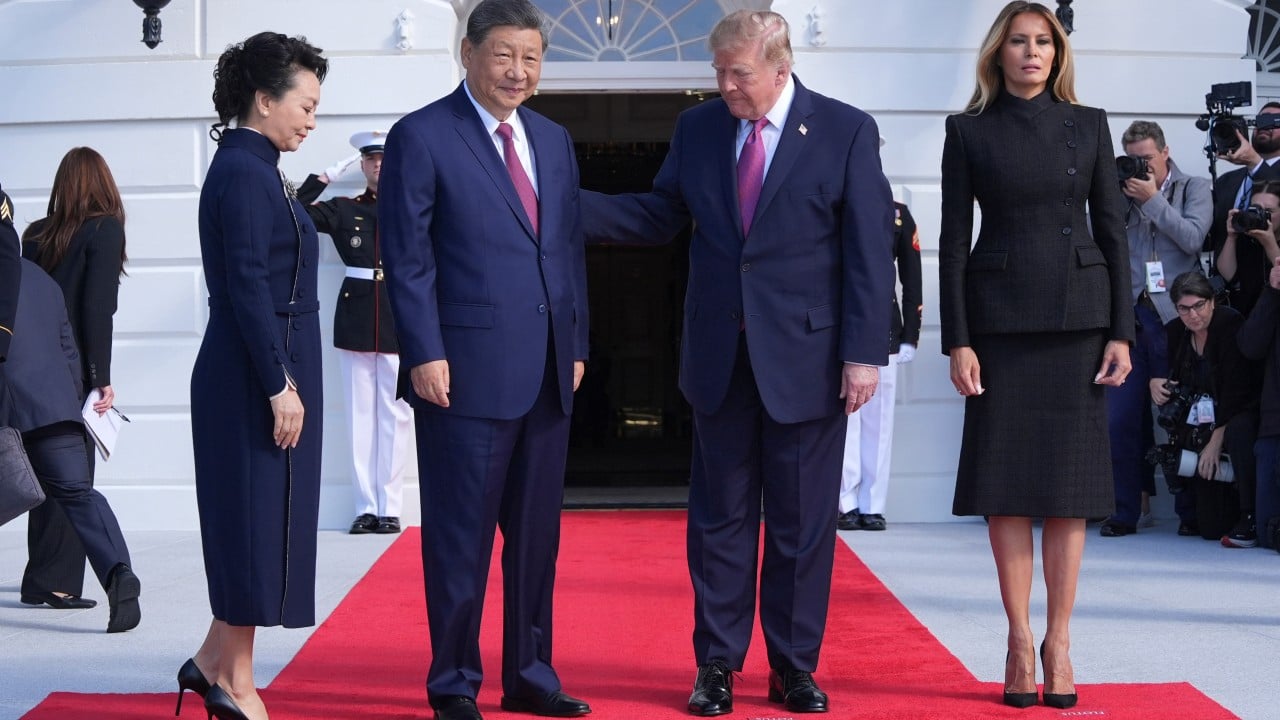
US first lady Melania Trump is unlikely to travel to China with the president for the Asia-Pacific Economic Cooperation summit in Shenzhen this month. “First lady Melania Trump is not scheduled to attend the events in person,” her office said in response to a query about her travel plans. President Donald Trump is scheduled to visit the Philippines for this year’s Association of Southeast Asian Nations summit before travelling to the November 18-19 Apec event, where he will meet his Chinese...
How could a single gene-editing injection treat inherited eye diseases?
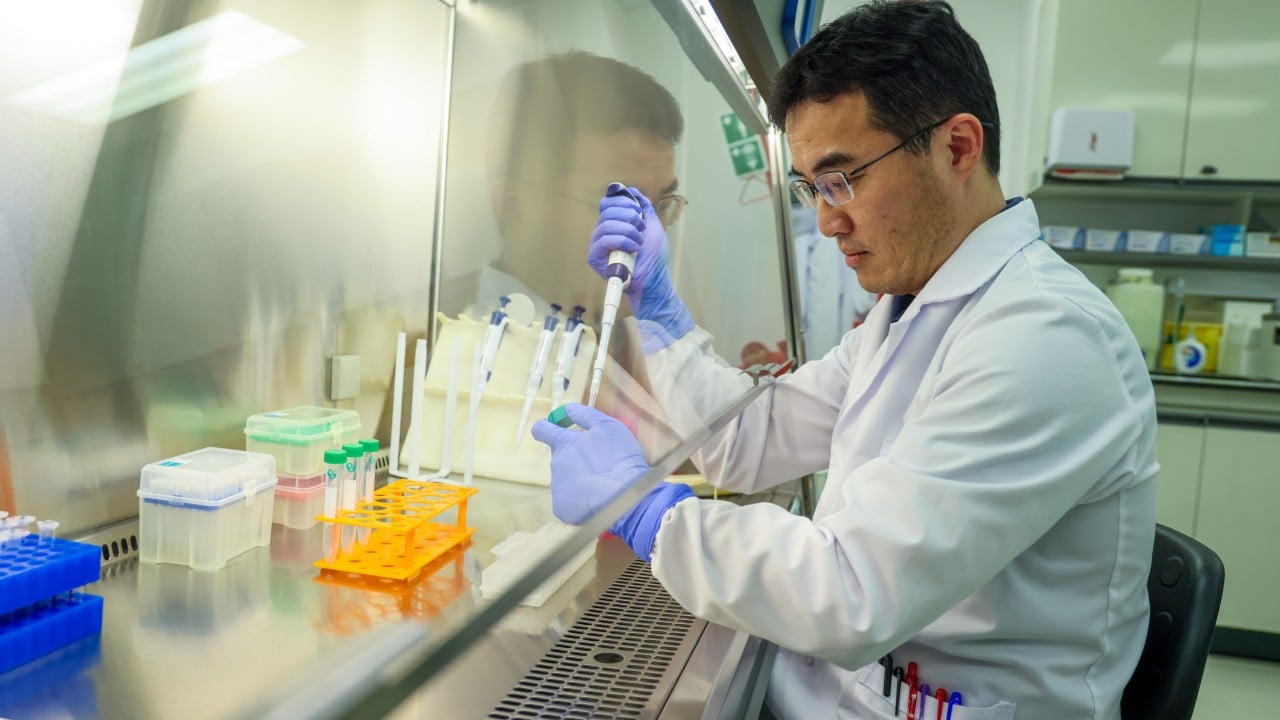
In the third of a four-part Health Matters wellness series on frontier medicine in Hong Kong, Fiona Sun examines how a local start-up is testing a gene-editing therapy that could tackle a group of inherited eye diseases at their genetic source and what it will take to turn it into a treatment patients can access. For 15 years, Professor Zheng Zongli has worked to make gene-editing therapies safe enough to treat diseases with limited treatment options. His path has taken him from a PhD in medical...
L.A. to decide whether to stay the course with Mayor Bass or vote for change with Raman
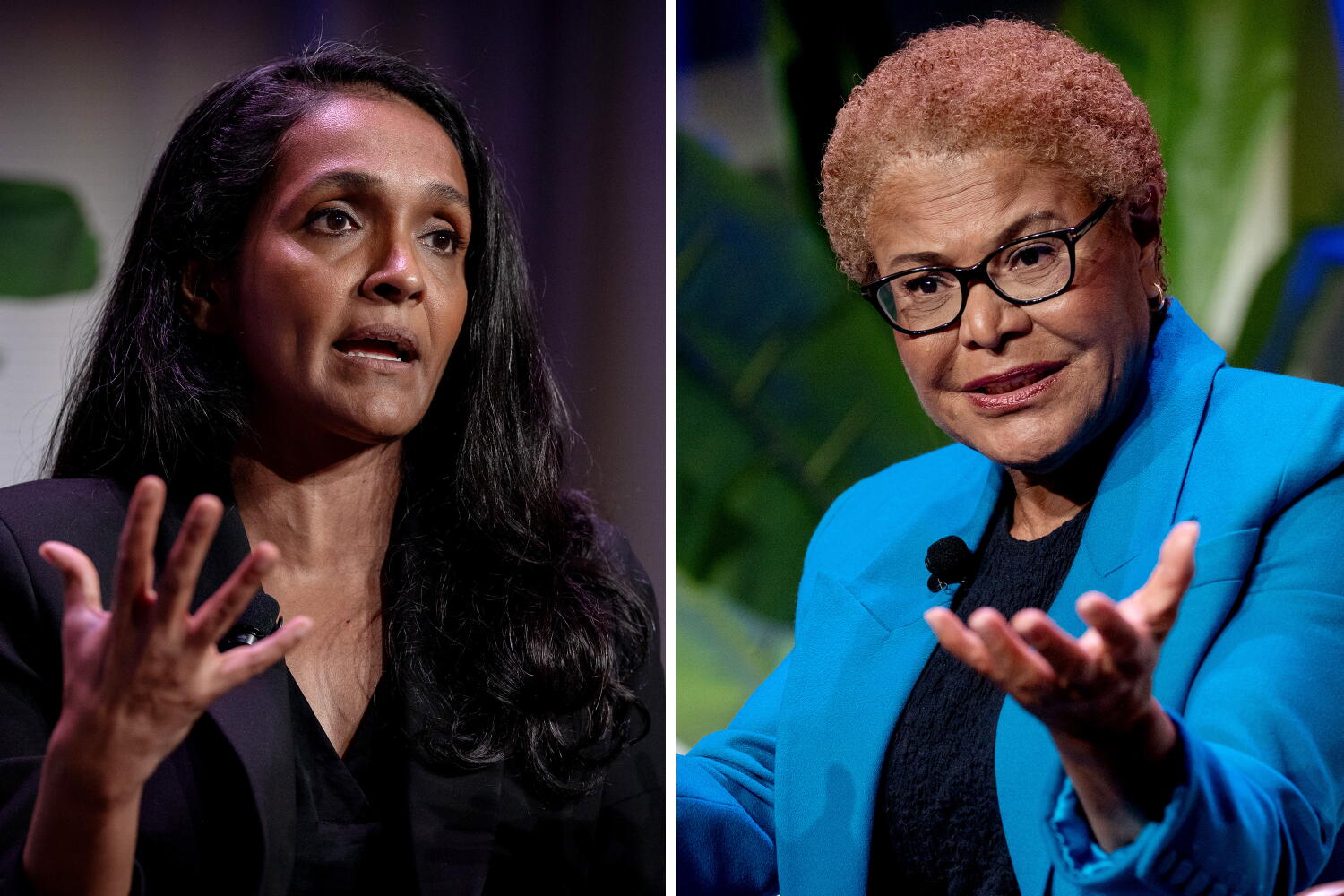
L.A. voters will decide between Mayor Karen Bass and challenger Nithya Raman, with the city's future direction on the line. As the contentious race nears the finish, the candidates are in a dead heat.

From rifles to radar: China upgrades its African arms trade as Russia and the West retreat
For decades, China has supplied African militaries with small arms and land-based equipment such as armoured vehicles, trucks and artillery. Now, it is selling them more specialised weapons, including armed drones and electronic warfare systems. Analysts noted that China’s African arms sales were shifting qualitatively to air-defence systems, armed drones and electronic warfare gear once dominated by Russia and the West. In April, four vehicles identified by defence analysis group Janes as...


El Nino, weak monsoon behind Hong Kong’s warmest October in 142 years
Hong Kong sweltered through its warmest October on record, as an extremely strong El Nino, a weak northeast monsoon and a persistent anticyclone aloft over southern China combined to drive temperatures to unprecedented levels, the weather forecaster has said. The Observatory forecaster said on Sunday that the mean maximum temperature for October was 30.5 degrees Celsius (86.9 Fahrenheit), the mean temperature 27.6 degrees and the mean minimum 25.8 degrees – all the highest for any October since...
China’s global initiatives offer ray of hope in a turbulent world
The 2026 Global Governance Forum in Xiongan, Hebei province, wrapped up on October 25. Against a backdrop of acute strains on multilateralism and a widening global governance deficit, the forum galvanised a shared sense of urgency across the international community for reform and solidarity. More than a century ago, Karl Marx noted that, “Philosophers have hitherto only interpreted the world in various ways; the point is to change it.” That insight strikes at the very heart of today’s global...
YOUR NEWS, OUR NETWORK.
Do you have Great News you want to tell the world?
Be it updates about your business or your community, you can make sure that it’s heard by submitting your story to our network reaching hundreds of news sites across 6 verticals.