Stainless Steel vs Non-Stick: 7 Honest Points
Nov 3, 2026
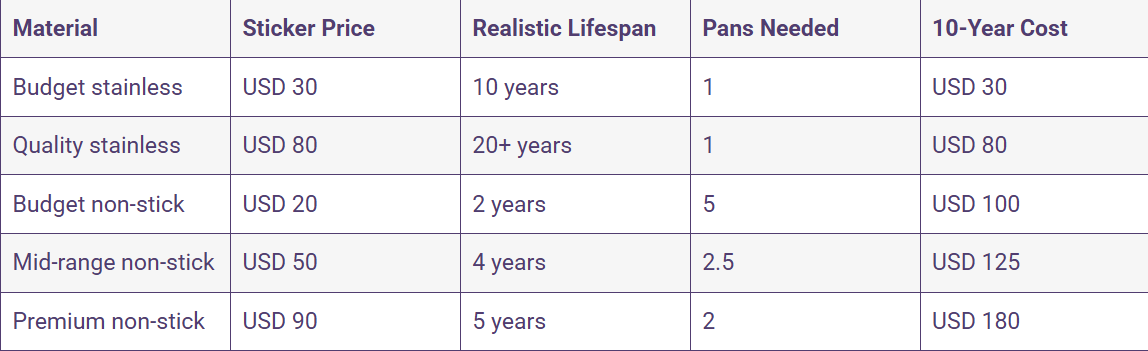
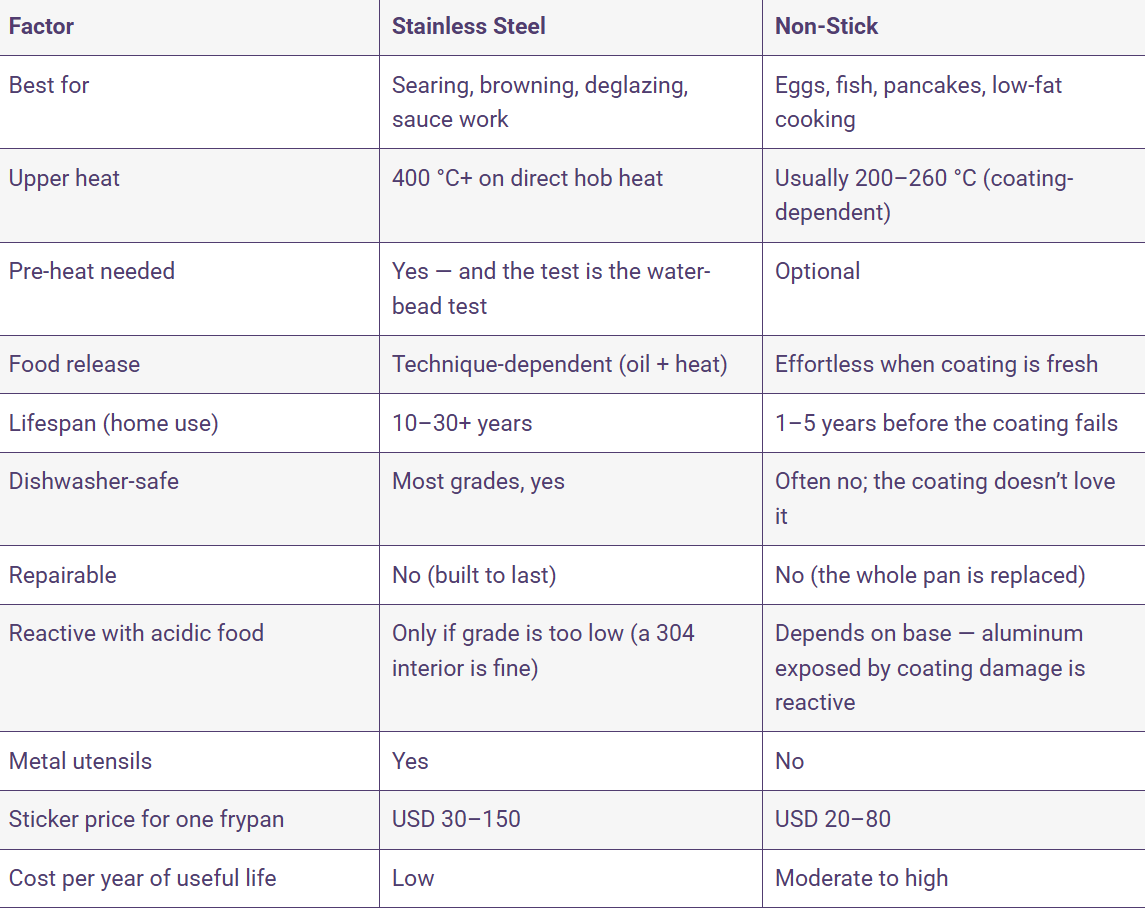
Jiangmen, Guangdong Nov 3, 2026 (Issuewire.com) - Stainless Steel vs Non-Stick: 7 Honest Points Two materials, two jobs: why most serious cooks end up owning both JIANGMEN, Guangdong, November 3, 2026 -- The stainless steel vs non-stick debate doesn't have a winner. It has trade-offs. A stainless steel pan will outlast a non-stick pan by years, but it punishes beginners who skip the preheat. A non-stick pan slides eggs for breakfast every morning, but it slowly dies every time you sear at high heat. The two are different tools, and most cooks who take the stainless steel vs non-stick question seriously end up owning one of each. We should be clear about where we're coming from. Since 2003 we've manufactured clad and bonded-base stainless steel cookware in Jiangmen, Guangdong, supplying brands across the EU and Middle East markets. That is our core business. When a customer's product program calls for a non-stick or coated pan, we take on that order too and flex to their specification. So we have no stake in one material winning this argument. Stainless Steel vs Non-Stick: The Short Verdict If you only have 30 seconds, this is the comparison. A kitchen built around one or the other can work. A kitchen that fights the limitations of a single material usually ends up buying the other pan anyway, and quietly admits the answer to stainless steel vs non-stick was "both" all along. Point 1: Heat Tolerance and the Upper Limit This is the single biggest functional gap in the stainless steel vs non-stick comparison. Stainless steel is metal all the way through. A 304 interior with an aluminum or copper core will tolerate sustained direct hob heat well above 400 °C without damage. You can start a steak on a high flame, deglaze with cold liquid, and the pan doesn't care. Non-stick coatings are different. PTFE-based coatings start to degrade above roughly 260 °C, and they break down rapidly above 300 °C. Ceramic-based coatings tolerate more heat, but they tend to lose their non-stick performance faster as a trade-off.
In practice, a stainless frypan handles a hard sear, a stir-fry and the kind of heat that browns fond on the bottom of the pan. A non-stick frypan is built for moderate heat and gentle flipping. Run it dry on high for ten minutes and the coating goes first. If most of your cooking is eggs, fish, pancakes and the occasional sauté over medium heat, a non-stick pan is the right tool. If you sear, brown and deglaze at high heat, stainless wins on direct-heat tolerance every time. Point 2: What's Actually on the Cooking Surface A stainless steel pan's cooking surface is the same metal as the rest of the pan: 304 stainless in the food-contact layer for a quality pan. There is no separate layer to wear through. In the stainless steel vs non-stick debate, this is the structural reason the steel side tends to last longer. A non-stick pan is a base metal (usually aluminum, sometimes hard-anodized aluminum) with a coating on top.
That coating is the entire reason the pan works. The common chemistries are: PTFE (the family that includes "Teflon"). Excellent food release, but sensitive to heat and metal utensils. Modern consumer PTFE is made without PFOA, a processing aid phased out of cookware production by major manufacturers between 2013 and 2015. Ceramic (sol-gel silicone). A silica-based layer with no PTFE and no PFAS. It tends to lose non-stick performance faster than PTFE. Enameled (porcelain over steel or cast iron). A glass-fused coating, more stain-resistant and easy to clean than truly non-stick. When a non-stick pan fails, it isn't the pan that failed, it's the coating. The aluminum body underneath is usually still fine. That is the failure mode the marketing language tends to skip past. Point 3: Skill Level Required Stainless steel rewards technique. A pan that has been properly pre-heated and oiled releases food cleanly; one that hasn't, sticks. This is the most common reason beginners blame the pan rather than the method. Three rules get you 90% of the way there: Preheat over medium heat for 90 seconds to 2 minutes. Don't add oil yet. The water-bead test. Flick a few drops of water on the surface. If they bead up and skate around the pan, the pan is at the right temperature. If they spread and sizzle, it's too cool. If they evaporate instantly, it's too hot.
Add oil only after the test passes. Then add food, and don't move it for at least 30-60 seconds. The sear has to form before you try to release it. A non-stick pan skips every one of these steps. The coating does the work, and forgiving results happen by default. That is why non-stick dominates breakfast and "I just need to make dinner in 12 minutes" cooking. The honest framing: if a cook doesn't have time to learn the water-bead test, they will never be happy with a stainless steel pan, no matter how good the pan is. Conversely, a confident cook who sears daily will find most non-stick pans limiting within a month. The material fits the cook. Our guide to how stainless steel cookware is made (https://jincui.com/how-stainless-steel-cookware-is-made/) explains why the construction itself shapes the technique, and why the technique gets easier with one good pan. Point 4: Durability and Lifespan This is where the gap in the stainless steel vs non-stick comparison gets wide. A quality stainless steel pan, with a multi-layer base, a 304 interior and decent handle attachment, is built to be the last frypan you buy. With normal home use it lasts 10 to 30 years. A bonded base can fail in that window if it was poorly made, but that is the exception, and it tends to be visible: a clicking sound, a wobble, food burning in a ring under the base. A non-stick pan is consumed. The coating is the entire product, and the coating wears: PTFE pans: typically 1-5 years of regular home use before release performance drops noticeably.
Heavy dishwasher use, high heat and metal utensils shorten that window. Ceramic pans: a faster decline in release performance than PTFE in most independent testing, often 6 months to 2 years for noticeable change. Enameled pans: very durable coating, but the non-stick rating isn't high to begin with. A useful mental model: a stainless steel pan is a tool you maintain; a non-stick pan is a consumable you replace. Point 5: Health and Food Safety This is where most of the heat in the stainless steel vs non-stick debate lives, so it's worth being precise about what's actually known. PTFE-coated pans. Modern consumer PTFE cookware is PFOA-free, and the coating itself is stable at recommended cooking temperatures. Above about 260 °C it begins to break down, and well above that, the fumes can cause polymer fume fever in humans and are lethal to pet birds. The realistic risk is an empty pan on a high burner. The mitigation is simple: don't preheat an empty non-stick pan on high. There is ongoing research into PFAS more broadly, so if this matters to you, look for explicit PFAS-free certification rather than relying on the marketing language on the box. Ceramic-coated pans. No PTFE, no PFAS, and no known toxicity at cooking temperatures. The trade-off is faster loss of release performance. Stainless steel pans. A 304 food-contact layer is considered food-safe under EU and US food-contact regulations for cookware, and there is no separate coating to wear off. Lower-grade stainless can release trace nickel or chromium when cooking highly acidic food, but a 304 interior keeps this well within regulatory limits. 316 stainless reduces nickel release further, though most home cookware doesn't need it. The reasonable summary: both materials are safe when used as designed. The non-stick side carries a small "use it correctly" risk that the stainless steel side doesn't. Point 6: Repairs, Recoating and Recycling Neither pan is really repairable at home. A delaminated stainless base cannot be re-bonded outside the factory, and a non-stick pan cannot be recoated economically. Recycling, however, is a real difference in the stainless steel vs non-stick choice. Stainless steel is one of the most recycled materials in the world. A pan that finally dies after 20 years goes back into the steel stream cleanly. Non-stick pans are harder: the aluminum base is recyclable, but most facilities don't separate coated aluminum from bare aluminum, and the coating contaminates the melt. In practice, most consumer non-stick pans go to landfill. Point 7: Lifetime Cost vs Sticker Price This is where the calculator punishes the cheaper pan in the stainless steel vs non-stick math. Here is a simple model for a single 26 cm frypan used twice a week for ten years: The cheaper the non-stick pan, the worse the math. The premium non-stick narrows the gap but doesn't close it, because a premium non-stick at year 5 is still a non-stick at year 5. A stainless steel pan, bought once at a sensible price, generally costs less to own over any horizon longer than four or five years. Even a kitchen that also buys a USD 25 non-stick pan for eggs and replaces it every couple of years still comes out cheaper than one built on non-stick alone. The Honest Recommendation for Stainless Steel vs Non-Stick If you have to pick only one pan, pick the one that matches the cooking you actually do. If that answer is "eggs and reheating leftovers," it's the non-stick. If it's "actual cooking every day," it's the stainless steel. If you can have two pans, and most home kitchens can, buy: One 24 cm stainless steel frypan (https://jincui.com/frypan/) with a bonded base. Buy it once. Cook in it for 15 years. One 20 cm non-stick frypan for eggs, fish, pancakes, anything delicate. Treat it as a consumable, replace it when the coating goes, and don't try to sear in it. This is the answer we give in the factory when a buyer asks what their customer's first set should look like. If you're sourcing cookware for a brand rather than a household, the same principle scales: a starter set of clad stainless for daily cooking plus a smaller non-stick SKU for the breakfast and "no-oil" cooking segment covers most markets. If you're unsure how the construction differs, start with our explainer on what clad cookware is (https://jincui.com/what-is-clad-cookware-7-key-facts-every-buyer-must-know/). One honest note from the factory side: our core business is clad and bonded-base stainless steel cookware, and that is where our engineering effort goes. We also take on non-stick and coated cookware orders when a customer's program calls for them. We don't position the two against each other, because they're built for different jobs. FAQ: Stainless Steel vs Non-Stick Which is healthier, stainless steel or non-stick?Both are considered food-safe when used as designed. Modern PTFE non-stick is PFOA-free, and ceramic non-stick uses no PFAS at all. Stainless steel has no coating to wear off. The most important variable is heat: don't overheat a non-stick pan empty, and you'll avoid the only meaningful health concern in the stainless steel vs non-stick safety question. Why does my food stick to my stainless steel pan?Almost always: insufficient pre-heat, oil added too early, or the food flipped before the sear released it.
The water-bead test fixes all three problems in 30 seconds. Can I use metal utensils in a non-stick pan?Officially, no. In practice, a soft-edged spatula is fine, but a fork or knife will scratch the coating and shorten the life of the pan. A stainless steel pan has no such restriction. Is induction-ready non-stick worth the premium?If you cook on induction, the base needs a magnetic layer, usually a stainless or iron disk bonded under the aluminum. Premium induction non-stick uses the same induction-grade base as a quality stainless pan, so the additional cost is partly for the base construction, not just the coating. It's worth it if induction is your primary hob. What's the best first pan for someone learning to cook?A mid-size stainless steel frypan (24-26 cm) with a bonded base and a comfortable handle. Starting on stainless builds the right habits from day one, and a non-stick pan added later will feel like a luxury, not a crutch. Talk to the Factory JC Cookware manufactures clad and bonded-base stainless steel cookware in Jiangmen, Guangdong, and takes on non-stick and coated cookware orders to customer specification. The factory is BSCI and ISO 9001 audited and has shipped to brands across the EU and Middle East since 2003. If you're building a stainless line, or a stainless plus non-stick combination, get in touch to discuss construction, base layers and OEM terms.
Source :JC cookware
This article was originally published by IssueWire. Read the original article here.
More News

Jesse Baird’s ‘resignation’ texted day after he was allegedly murdered
TV presenter Jesse Baird's resignation was texted to his new boss the day after he was allegedly murdered.

Point of Law wins 2026 Melbourne Cup
Point Of Law, the horse previously owned by King Charles, stormed home on the final straight to win the Melbourne Cup.

Kate McClymont gives evidence in Alan Jones trial
Award-winning journalist Kate McClymont alleged indecent assaults by Alan Jones and said she didn’t offer benefits to complainants for stories.

Transport authorities demand answers after 4-hour parking meter outage
Hong Kong’s transport authorities have launched an investigation into a four-hour outage of the city’s parking meter system on Tuesday morning and ordered operator HKT to submit a report. The Transport Department said HKT had notified it at about 8.20am that the system was out of service and urgent repairs were under way. Shortly after noon, the department said the system had resumed normal operation following repairs. “The Transport Department will continue to urge the operator to thoroughly...

RBA and economists say government spending is boosting inflation
Both the Reserve Bank and economists say government spending is driving inflation.
The Catholic threat to patients’ right
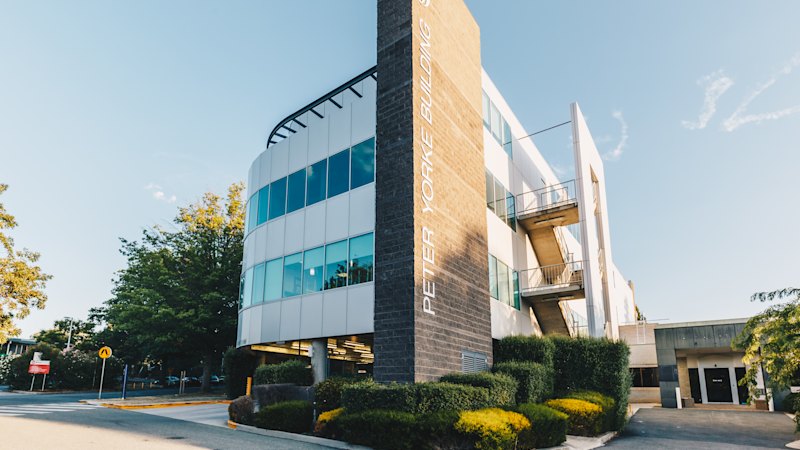
The NSW government is seemingly complicit in a quiet takeover of publicly funded hospitals by a Catholic Church group.

‘Exit plans’ and ‘god work’: Notes from accused wife-killer’s home shown to jury
A blood-stained towel and mat were also found inside the bathroom, the jury in Robert Crawford’s trial heard.
One Nation volunteer bashed with baseball bat outside Victorian home
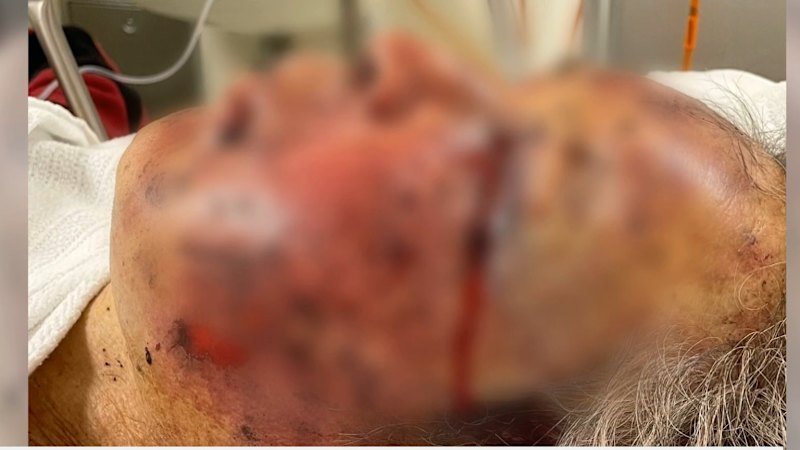
A volunteer is recovering from a brain bleed after confronting alleged vandals targeting campaign signs at his property.

RBA lifts interest rates for fifth time this year
The Reserve Bank has hiked interest rates by 25 basis points, the fifth rate rise this year.

Profit, clicks didn’t drive reporting: Kate McClymont testifies in Jones trial
The Herald’s chief investigative reporter told Alan Jones’ criminal trial that she gave a statement to police about the ex-2GB broadcaster in 2024.

‘Everyone is feeling the pain’: Interest rate hike hits Sydney hard
As Sydneysiders come to terms with the fifth rate rise this year, many are worried about how they will find the extra cash.

Hoyoverse’s Petit Planet launches on 4 December, with a Switch 2 version coming in 2027
The free-to-play life simulation game arrives first on PC and mobile, where players can build a planet, meet its residents and explore the Starsea.
YOUR NEWS, OUR NETWORK.
Do you have Great News you want to tell the world?
Be it updates about your business or your community, you can make sure that it’s heard by submitting your story to our network reaching hundreds of news sites across 6 verticals.