PeptideGurus: A High-Purity Research Peptide Supplier for Laboratories and Research Organizations
Nov 16, 2026

Shanghai, China Nov 15, 2026 (Issuewire.com) - In vitro cell culture, receptor binding assays, and high-sensitivity biochemical profiling require verified structural fidelity and reproducible analytical data to validate target biological mechanisms. Target signaling pathway validation requires exact peptide concentrations, defined sequence integrity, and tightly managed chemical purity levels to support stable baseline outputs during cellular stimulation and maintain experimental continuity across testing cycles. In this specialized research context, high-purity research peptides provide the structural consistency required for high-sensitivity molecular pharmacology and biological screening protocols. Headquartered with operational hubs in Glendale, Arizona, United States, and supported by international logistics coordination via Shanghai Hongyu Industrial Co., Ltd., PeptideGurus operates as a dedicated supplier of laboratory-grade peptide reagents, combining defined purity baselines with responsive cross-border fulfillment.
The continuity of biomedical research workflows relies on tight synchronization between scalable solid-phase peptide synthesis, reproducible batch-to-batch chemical homogeneity, and dependable ready-stock fulfillment. Peptide synthesis requires calibrated amino acid coupling, quantitative protecting group cleavage, and precise preparative chromatographic fractionation to isolate target peptide sequences from truncated or deletion byproducts. Scientific reproducibility and academic publication standards follow rigorous analytical verification requirements, specifically Certificates of Analysis, analytical High-Performance Liquid Chromatography (HPLC) chromatograms, and Liquid Chromatography-Mass Spectrometry (LC-MS) structural confirmation. Integrating these analytical verification records directly with regional warehouse fulfillment enables researchers to verify chemical identity prior to reconstitution, supporting predetermined experimental schedules. Through transparent batch reporting, standardized analytical release protocols, and an explicit Research Use Only (RUO) operating boundary, PeptideGurus maintains a compliant supply framework engineered to support high-throughput laboratory research and preclinical discovery.
Verified Purity Benchmarks and Systematic Pre-Delivery Analysis
Target binding affinity and downstream cellular signaling assays dictate stringent purity parameters. PeptideGurus enforces a standardized baseline specification where all catalog research peptides maintain a purity level of 99%. Every production batch undergoes a 100% pre-delivery testing protocol prior to inventory intake, establishing analytical verification before product release. Analytical characterization relies on reversed-phase high-performance liquid chromatography (RP-HPLC) utilizing dedicated stationary phases and optimized binary elution gradients to achieve baseline resolution between target peptide peaks and closely related synthesis variants. Peak area normalization confirms that target molecules meet or exceed the 99% purity threshold, displaying sharp, symmetrical retention times that verify chemical homogeneity.
Complementing chromatographic purity assays, high-resolution liquid chromatography-mass spectrometry (LC-MS) provides definitive molecular mass and structural confirmation. Electrospray ionization mass spectrometry records mass-to-charge ratios (m/z) that align directly with theoretical isotopic mass calculations, confirming correct amino acid sequence assembly, disulfide bond pairing where applicable, and complete acidolytic removal of side-chain protecting groups. Each lot comes supported by batch-specific COA documentation containing analytical HPLC traces, retention times, and molecular mass spectra, providing laboratory researchers with transparent documentation for grant compliance, institutional audits, and experimental repeatability.
Independent Third-Party Laboratory Testing and Verification Records
Analytical transparency and scientific credibility expand beyond internal manufacturer testing through routine independent third-party laboratory verification. Selected batches of research peptides supplied by PeptideGurus are submitted for blind-sample analytical testing by globally recognized independent testing laboratories, including Janoshik Analytical. Independent analytical specialists perform chromatographic separation and mass spectrometry confirmation on finished inventory samples drawn at random, validating purity levels and molecular mass characteristics through external instrumentation and independent analytical protocols.
Third-party analytical reports incorporate verifiable digital confirmation systems, including unique sample tracking codes and verifiable documentation seals. Laboratory scientists and research compliance managers can cross-examine the internal factory Certificate of Analysis with external third-party test data to confirm batch authenticity and analytical consistency. This independent testing structure provides an objective evidentiary foundation for rigorous molecular biology investigations, target screening platforms, and peer-reviewed research publications.
Diversified Product Matrix Across Research Formulations
Biomedical investigation spans diverse experimental platforms, from high-throughput microplate assays to targeted in vitro metabolic models. PeptideGurus addresses these experimental requirements through a diversified catalog structured across four primary formulation categories: high-purity raw powders, precise-fill lyophilized finished vials, specialized multi-peptide blends, and targeted bioregulators. Raw peptide powders (Peptide Raw powder) support high-volume university screening where laboratory teams prepare customized stock solutions and specific buffer concentrations. Available raw materials include metabolic research compounds such as Tirzepatide Raw Material, Semaglutide Raw Material, SS-31 Raw Material, and Thymosin Beta-4 (TB-500) Raw Material.
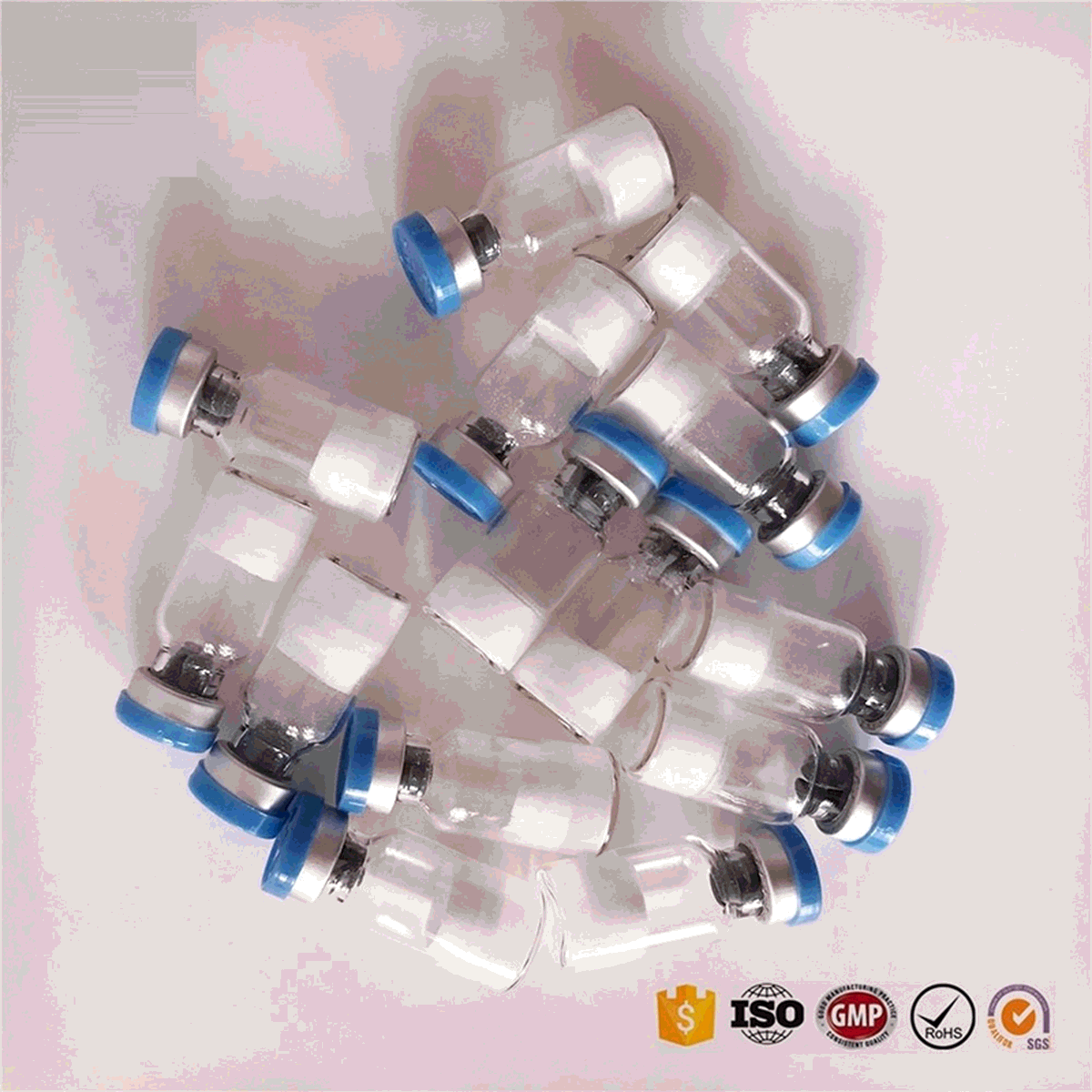
For direct reconstitutable laboratory applications, precision-dosed finished products (Peptide Finished products) are packaged in sterile, vacuum-sealed glass vials to maintain stability. The finished catalog encompasses metabolic and incretin receptor research agents, including Retatrutide across graded 5mg to 30mg presentations, Tirzepatide, Semaglutide, and Cagrilintide. Tissue repair and cytoprotective research reagents feature BPC-157 (in 5mg, 10mg, and 20mg vials), TB-500, and mitochondrial research peptides such as SS-31 (10mg to 50mg) alongside cellular metabolites like NAD+.
Scientific exploration of pathway synergy is supported by specialized multi-peptide blends (Peptide Blends), providing standardized dual- and triple-target combinations that simplify multi-agent cellular screening and reduce pipetting variability during assay preparation. Established combinations include tissue repair blends (BPC-157 + TB-500), anti-inflammatory pathways (such as BPC-157 + KPV), and multi-sequence complexes (such as GHK-Cu + BPC-157 + TB-500 and BPC-157 + TB-500 + KPV). The portfolio also features short-chain peptide bioregulators based on Khavinson peptide sequences, including Pinealon, Thymalin, and Epithalon, designed for cellular homeostasis and epigenetic regulation research.
Transnational Local Stock Fulfillment and Regulated Manufacturing Standards
Experimental continuity in fast-paced research environments requires short replenishment lead times and dependable logistics infrastructure. PeptideGurus operates an international warehouse network designed to shorten transit times and mitigate administrative delays. Strategic local inventory centers operate in Glendale, Arizona, for rapid domestic distribution across the United States via tracked USPS Priority nd Express mail in discreet protective packaging. European and British research demand is supported by localized inventory hubs in Northampton, United Kingdom, and distribution facilities across Germany, the Netherlands, and Poland. Additional regular warehouse locations serve Australia, Canada, and Mexico.
All ready-stock inventory items ship within 24 hours post-payment, backed by real-time tracking numbers and an established international customs clearance success rate of 99%. Rapid dispatch from regional inventory hubs supports reagent physical stability across standard domestic transit intervals. Upstream manufacturing operations are aligned with strategic production partners operating within WHO/GMP compliance standards and ISO 9001:2008 quality management frameworks, confirming rigorous equipment calibration, raw material qualification, and cleanroom production controls.
Strict compliance boundaries govern all operational procedures. All compounds supplied by PeptideGurus are labeled and sold strictly for laboratory research and development use only (RUO). Products are strictly not intended for human consumption, clinical application, veterinary use, or therapeutic diagnostic purposes. PeptideGurus operates strictly as a specialized research chemical supplier and explicitly disclaims classification as a 503A compounding pharmacy or 503B outsourcing facility under the United States Federal Food, Drug, and Cosmetic Act.
Commercial Sourcing Value and Direct Procurement Access
Direct sourcing provides clear operational efficiency for long-cycle experimental screening and target validation. Streamlined procurement optimizes reagent expenditure, allocating institutional resources directly toward broader molecular analysis and assay development. Access to batch-specific COAs, HPLC chromatograms, and LC-MS spectra streamlines regulatory compliance and experimental recordkeeping, while regional warehouse fulfillment provides steady supply security for longitudinal studies.
Access lot-specific Certificates of Analysis, instrumental chromatographic traces, and verified research supply documentation through the official international portal at https://www.peptidegurus.com/.
Media Contact
Shanghai Hongyu Industrial Co., Ltd.
+86 21 6888 8888
Glendale, AZ, USA / Shanghai, China
Source :Shanghai Hongyu Industrial Co., Ltd.
This article was originally published by IssueWire. Read the original article here.
More News

Korea flags 571 illegal online posts pitching 'study drugs' ahead of college exam
Korea’s drug safety agency has flagged 571 online posts illegally selling or promoting prescription drugs under misleading labels such as “study-enhancing drugs” and “exam pills,” warning students and parents against buying medication from unverified sources ahead of Thursday’s national college entrance exam. The Ministry of Food and Drug Safety said Monday that it had identified the posts during an inspection conducted from Oct. 26-30 and requested that relevant authorities block access to the websites and social media accounts. Of the total, 553 posts involved methylphenidate, a controlled substance prescribed to treat attention-deficit/hyperactivity disorder, or ADHD, while the remaining 18 promoted or offered prescription drugs containing propranolol, which are sometimes marketed as “exam pills” or “interview pills.” Methylphenidate can cause anxiety, headaches, nausea, hallucinations, delayed growth and increased heart rate when used outside its approved indications, the ministry said. Propranolol, a beta blocker prescribed for cardiovascular conditions including

Magician weaves mind-reading, b-boying, gayageum together
More than “just a simple display of impossible happenings,” Jiwan Kim, the magician behind the one-man act The Imagine Show, promises a more theatrical experience with his upcoming performance, which brings together mentalism and Korean music. “Magic and mentalism go hand in hand, as both explore levels of deep psychology and the study of human nature,” he told The Korea Times. Titled “Beyond Belief,” the intimate and interactive show goes beyond Kim's usual magic and b-boying — an odd combination that he asserts is the only one of its kind — pushing the boundaries of what audiences might consider mere illusion. “In the show, you’ll see not just the traditional mind-reading act,” he said. “You’ll see many different kinds of mind-reading, such as the ability to influence someone’s decision or predicting an action based on reading someone’s demeanor.” The performance will also feature feats that test the magician's physical limits, including one that he described as “quite physically dangerous.” “Mind-reading is incredibly risky, as the chance of failur

FTC initiates consent resolution process for chauffeur service providers
Korea's antitrust watchdog said Monday it has initiated a consent resolution process involving two designated driver service providers and two driver dispatch software operators over alleged unfair practices, including effectively imposing sales targets through a driver rating system. The Fair Trade Commission's (FTC) move concerns Kakao Mobility Corp. and T Map Mobility Co., affiliated with Kakao Corp. and SK Group, respectively, as well as driver dispatch software operators CMNP and YLP, over suspected violations of the Fair Trade Act. Kakao Mobility sold its entire stake in CMNP late last year but maintains a business partnership with the company, while YLP is wholly owned by T Map Mobility. Specifically, Kakao Mobility and T Map Mobility allegedly required drivers with individual insurance coverage to also sign up for group insurance. They also allegedly used a driver rating system to effectively impose sales targets, according to the watchdog. The FTC said the four companies have applied for a consent resolution, under which a case is closed through voluntary corrective measures with

Huawei marks 11 years of efforts to nurture ICT talent in Korea
Huawei said Monday it has sponsored the 2026 International Collegiate Programming Contest (ICPC) Seoul Regional, extending its efforts to nurture information and communications technology talent in Korea to 11 straight years. The contest, held from Friday to Saturday, at KINTEX exhibition hall in Goyang, Gyeonggi Province, was participated by around 80 teams from Korea, Japan, Singapore and other Asian universities. It is a regional edition of the ICPC, one of the world’s largest university programming competitions attracting some 50,000 participants from more than 100 countries annually. Huawei has supported the competition as a global diamond sponsor, seeking to nurture young programming talent, strengthen its reputation as a technology leader and help shape future directions in education and research while building early connections with promising information and communication technology (ICT) professionals. In Korea, the company has worked with universities since 2015 to offer educational programs. Huawei ICT Academy combines classroom learning with practical training, while Huawe

HD Hyundai targets North American energy market with solar, battery technologies
HD Hyundai, a Korean shipbuilding, heavy machinery and energy conglomerate, will showcase its latest solar power, energy storage and power grid technologies at North America’s largest clean energy exhibition this week, as the industrial group seeks to expand its presence in the rapidly growing U.S. energy market. HD Hyundai Energy Solutions and HD Hyundai Electric will jointly participate in RE+ 2026, which runs from Tuesday through Thursday at Las Vegas Convention Center, company officials said Monday. The two affiliates will present technologies spanning solar power generation, energy storage and conversion, and electricity transmission and distribution, highlighting their integrated capabilities across energy infrastructure. HD Hyundai Energy Solutions will unveil its G12R TOPCon Multi-Cut solar module in North America for first time, featuring technology that divides large-area solar cells into smaller sections to reduce power losses during current transmission. The technology enables module efficiency of 24.4 percent by increasing power density, with company planning to gradually

LS Electric wins $94 mil. order to supply power gear for US AI data center
LS Electric said Monday it has won a $93.83 million (130 billion won) order to supply power distribution equipment for a hyperscale artificial intelligence (AI) data center. The center is being built by a U.S. Big Tech company, and the order adds to LS Electric’s run of contracts in North America. Under the deal, the Korean power equipment maker will deliver 38-kilovolt high-voltage switchgear and low-voltage switchgear in stages. Switchgear takes in electricity, distributes it among circuits and cuts off faulty lines, which makes it a core part of a data center’s power network. Hyperscale data centers are very large facilities that technology companies run to handle cloud and AI workloads. The company did not name the client. It said it has supplied high-voltage switchgear to the customer’s project from its first phase through the current expansion. LS Electric said “time to power,” the time it takes for a data center to secure electricity and start operating, has become a key competitive factor as AI grows rapidly. It credited the repeat orders to its product quality and its

Police secure miniature camera in tax accountant exam cheating probe
Police have secured a miniature camera allegedly used by a man to cheat on this year's certified tax accountant exam and receive top marks, officials said Monday. The man admitted Sunday to cheating using generative artificial intelligence (AI), with his lawyer submitting the camera, a laptop and a mobile phone allegedly used in the scheme as evidence to police. The suspect, who scored a near perfect score in the first round of the exam, made the admission after facing scrutiny over what many saw as unrealistically high scores. Police said they plan to inspect the submitted devices to determine whether they were actually used and bring the suspect in for questioning. The devices reportedly did not include miniature earphones or AI glasses. The cheating scandal has raised concerns about possible cheating using hidden AI-assisted devices during this year's College Scholastic Ability Test (CSAT), scheduled for Thursday. A Seoul Metropolitan Police Agency official said police plan to form a nationwide response team against CSAT misconduct and establish hotlines with local education offices to

Ex-deputy national security adviser takes office as KOICA chief
Oh Hyun-joo, a career diplomat who previously served as a deputy director at the presidential National Security Office, took office Monday as the 15th president of the Korea International Cooperation Agency (KOICA), the state-run foreign aid agency. KOICA is Korea’s main agency for carrying out the government’s grant aid programs for developing countries. It was founded in 1991. An inauguration ceremony was held the same day at its headquarters in Seongnam, Gyeonggi Province. Oh graduated from Korea University with a degree in Spanish language and literature and earned a master’s degree in international relations from the University of Cambridge. She joined the Ministry of Foreign Affairs in 1994 after passing the foreign service exam. Her key posts include director of the ministry’s development cooperation division, counselor at Korea’s mission in Geneva, special adviser to the president of the United Nations Human Rights Council, director general for development cooperation and deputy ambassador to the U.N. In 2023, she became Korea’s first female ambassador to the Vatican.

Namdaemun merchants part of Seoul traditional markets' Naver Live shopping push
Namdaemun Market accessories and local food specialties are heading to smartphone screens as Seoul's Jung District is set to host a live commerce broadcast on Naver Shopping Live on Wednesday, connecting small business merchants with nationwide online shoppers. The district office announced that six merchants across five local commercial hubs — including Namdaemun Market, Jungbu Market, Shin Jungbu Market, Shin Jungang Market and Donghwa-dong Alley Shopping District — will participate in the day-long event. Four merchants will offer food items, including artisanal sesame and perilla oils from Donghwa-dong, dried seaweed from Jungbu Market, nuts and dried seafood from Shin Jungbu Market and traditional sweet puffed wheat snacks from Shin Jungang Market. Meanwhile, two vendors from Namdaemun Market will showcase fashion accessories. Running from 11 a.m. to 4:20 p.m., each store will host a dedicated 40-minute segment featuring professional show hosts. Merchants will interact directly with live viewers, answer questions and offer discounts, limited-time special prices and purchase-veri

Students unveil AI tools to solve social challenges
Ten teams of undergraduate and graduate students showcased six months of social innovation projects in Seoul last week, presenting solutions ranging from artificial intelligence tools that ease special education teachers' workloads to an app helping visually impaired pedestrians cross streets safely. Hosted by the Seoul Future Talent Foundation at its community center, the 2026 Seoul Impact Project showcase highlighted student-led initiatives tackling persistent social challenges. After evaluating presentations, a judging panel awarded 15 million won ($10,800) in combined prize money to three standout teams. Aligned with the United Nations Sustainable Development Goals, the program supports teams of two to five students creating public value. Selected through a three-stage screening process, each of the 10 teams received 5 million won in project funding and 2 million won per member in activity stipends, alongside specialized workshops. The team named Peering won the grand prize and 7 million won for building an AI workflow system for special education teachers. After identifying bottlen

PM pledges to bring home remains of every single independence fighter from overseas
Prime Minister Han Seong-sook renewed the government's commitment Monday to bringing the remains of independence fighters back home from overseas as she marked the return of the remains of two patriots who fought for Korea's independence from Japan's 1910-45 colonial rule. The remains of Ho Si-han and Lee Gwal arrived Sunday from the United States and Uzbekistan, respectively, and the government held an official ceremony at Seodaemun Independence Park in central Seoul on Monday to commemorate their return. The remains will be buried at the national cemetery in the central city of Daejeon. "I offer my infinite respect to the two patriots who, with indomitable courage and spirit, forged ahead through a treacherous, thorn-strewn path for the sake of our nation's independence," Han said. "The government will uphold the noble spirit of patriotic martyrs, with a firm commitment never to forget a single hero." She also expressed gratitude to the governments of the United States and Uzbekistan. "Honoring the noble sacrifices and great patriotic spirit of our forebears with the utmost respect is

Banks court religious communities with tailored financial services
Korea's major banks are courting religious communities to expand their customer base, offering tailored services such as mobile donation platforms and debit cards that double as membership cards for religious groups, industry officials said Monday. Hana Bank's mobile donation service for religious organizations processed 68 billion won ($51 million) in donations from January through October this year, according to the bank. This is a sharp increase from the 350 million won recorded in 2020, when the service was first introduced. The service allows worshippers at churches and Buddhist temples to make donations using QR codes, without having to install a separate app. Religious organizations can also link transaction data to their financial management systems, making it easier to issue donation receipts for year-end tax deductions. Hana Bank also offers a trust product that allows customers to leave part or all of their assets to religious organizations after their death. Since launching the product in July 2021, the bank has partnered with 12 religious organizations and signed trust agre
YOUR NEWS, OUR NETWORK.
Do you have Great News you want to tell the world?
Be it updates about your business or your community, you can make sure that it’s heard by submitting your story to our network reaching hundreds of news sites across 6 verticals.