Jeffrey Lamoureaux Highlights Why Retaliation Concerns Should Be Addressed as Soon as They Surface
Oct 24, 2026
Auburn, Alabama Oct 23, 2026 (Issuewire.com) - Resolving an initial workplace or institutional complaint does not necessarily mean an organization's responsibility to pay attention has ended. According to civil rights investigator Jeffrey Lamoureaux, what happens after a complaint is made can sometimes create an entirely new issue that requires its own careful review.
Retaliation concerns can surface during an investigation or after the original matter has concluded. An employee might report a sudden change in responsibilities, a student may raise concerns about treatment after a complaint, or a witness may believe their participation in an investigation led to different treatment.
Lamoureaux, owner of CIXE Investigations, has conducted more than 1,000 investigations during his career. His work includes Title IX and civil rights matters as well as workplace complaints involving discrimination, harassment, retaliation, whistleblower concerns, and employee misconduct.
"An organization might be concentrating on whether the original allegation occurred while something new is happening in the background," Lamoureaux said. "If someone comes forward and says, 'Since I participated in this process, my supervisor has changed my schedule and removed responsibilities I previously had,' that deserves attention. It does not automatically establish retaliation, but it gives the organization a new set of facts to evaluate."
Organizations Need a Clear Way to Report New Concerns
Lamoureaux recommends that organizations make it clear how employees, students, witnesses, and other participants can report concerns that arise after an initial complaint.
That is particularly important because someone experiencing a new issue may assume it is already covered by the existing investigation. The organization, meanwhile, may have no idea anything else has happened.
"People need to know where to go if the situation changes," Lamoureaux said. "If the original complaint was made two months ago and the person now believes something different is happening because they made that complaint, I would not want them assuming that investigators somehow already know about it."
Once a new concern is reported, the organization can determine how its policies and procedures require it to be handled. Depending on the circumstances, that could mean expanding an existing investigation, beginning a separate review, or taking another appropriate step.
Lamoureaux cautions against informally adding a retaliation allegation to an existing investigation without first considering its scope. New allegations may involve different events, witnesses, documents, decision-makers, and applicable policies.
Timing Matters, But It Does Not Answer the Question
A retaliation allegation can draw immediate attention when an adverse or concerning event happens shortly after a complaint. Lamoureaux says timing can be an important piece of an investigation, but it should be treated as one piece rather than the entire answer.
Consider an employee who receives a poor performance review shortly after filing a complaint. An investigator may need to determine whether the performance concerns existed before the complaint, when they were first documented, who made the decisions involved, and whether similar standards were applied to other employees.
"If I see that something changed two weeks after a complaint, I am going to want to understand that timing," Lamoureaux said. "But I also want to know what was happening two months earlier. If the supervisor had already documented the same performance issue several times before the complaint, that context matters. If the concern appears for the first time afterward, that is also something I would want to examine."
For that reason, organizations should preserve relevant records from both before and after the original complaint. Depending on the circumstances, those records might include schedules, assignments, performance documentation, emails, meeting records, disciplinary materials, or other information relevant to the later allegation.
Managers Still Have to Manage
An ongoing complaint does not mean normal workplace management stops.
Supervisors may still need to make staffing decisions, address performance issues, change schedules, assign work, or respond to business needs. Lamoureaux recommends that organizations continue making legitimate management decisions while being thoughtful about consistency and documentation.
A manager should be able to explain why a decision was made and, where appropriate, point to the information supporting it.
The goal is not to create unnecessary paperwork around every interaction with an employee who has filed a complaint. Instead, clear records can help an organization understand what actually occurred if questions arise later.
The Original Outcome Does Not Automatically Resolve a Later Concern
Lamoureaux also cautions organizations against dismissing a retaliation concern simply because the original complaint did not result in a policy violation finding.
The later allegation involves its own facts and should be considered under the organization's applicable policies and procedures.
"If an organization finishes the first investigation and concludes that the original allegation was not substantiated, that does not mean it should automatically disregard something that allegedly happened afterward," Lamoureaux said. "The better question is whether the new information needs to be reviewed on its own facts."
That distinction is one reason Lamoureaux encourages organizations to think beyond the immediate investigation when developing complaint procedures.
An effective process should address not only how a complaint is received and investigated, but also what happens when circumstances change.
"The original complaint may have started the process, but it may not be the last issue the organization has to address," Lamoureaux said. "Paying attention to what happens next gives the organization a better opportunity to respond before a new concern becomes a much larger problem."
About Jeffrey Lamoureaux
Jeffrey Lamoureaux owns CIXE Investigations and is a nationally recognized Title IX and civil rights investigator, hearing officer, trainer, and consultant. He has conducted more than 1,000 investigations and provides investigative and professional services involving Title IX, civil rights compliance, workplace concerns, and related matters. Lamoureaux also trains investigators, hearing officers, Title IX coordinators, and other professionals who manage fair and effective institutional processes.
Source :Jeffrey Lamoureaux
This article was originally published by IssueWire. Read the original article here.
More News

Apple updates the Apple TV 4K with A19 chip, new Siri Remote, and higher price tag
Apple’s digital media streaming box gets a more powerful chip, support for Siri AI, and a new remote with some nifty features, and a higher price tag.
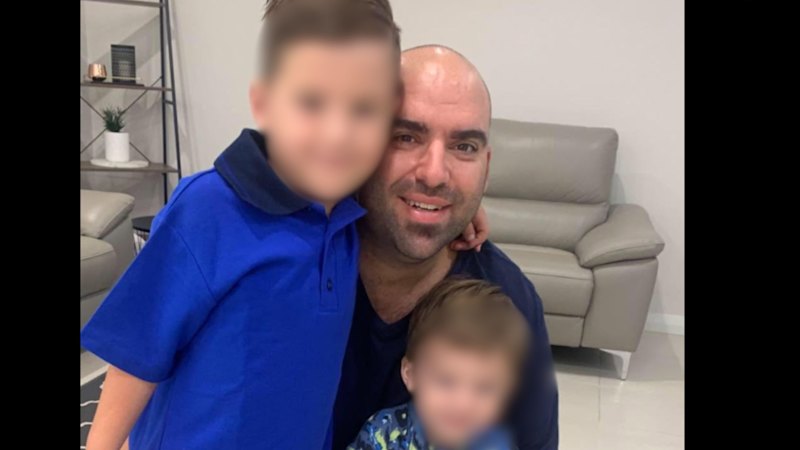
‘Our hearts are broken’: Bibra Lake cyclist’s family release statement
Joseph Paratore, 40, was riding his bike on North Lake Road around 5.20am when he was fatally struck by a white Toyota Prado, which allegedly failed to stop at the scene.
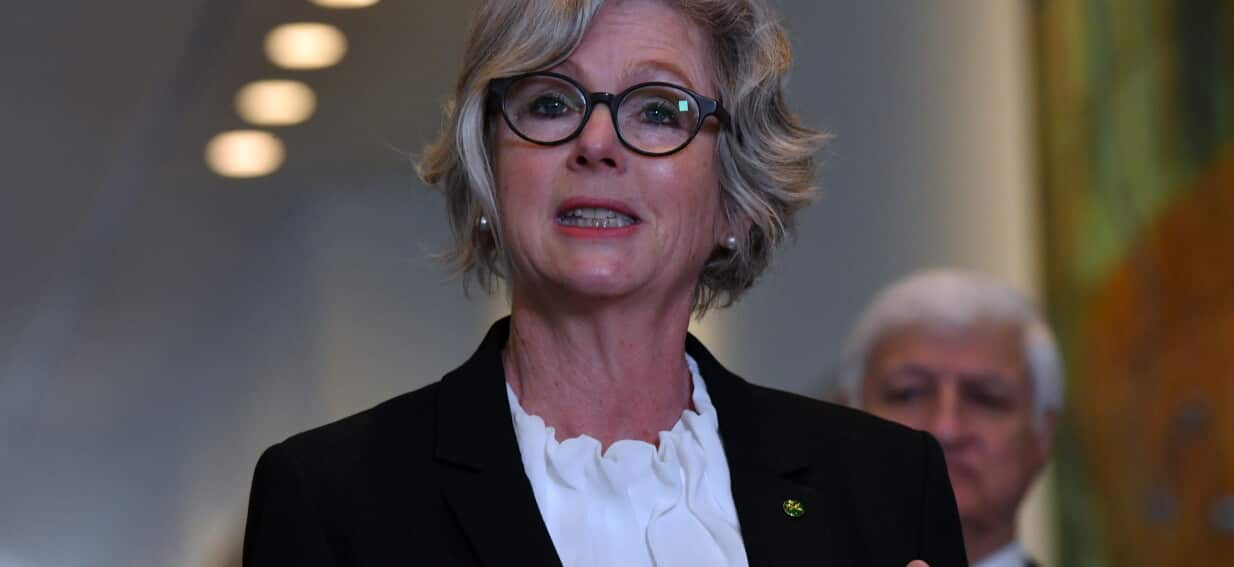
Helen Haines' condition improves following alleged attack, but remains serious
The independent MP remains hospitalised in Melbourne following the amputation of both legs.

Wet and stormy weekend ahead for many Australians
Rain and thunderstorms are forecast across multiple states in the coming days.

Cox Plate LIVE: The Valley’s iconic race moves to Flemington; Sir Delius the favourite
It’s Cox Plate day at Flemington. Follow along live as we bring you the colour, fashion and racing as the spring carnival continues.
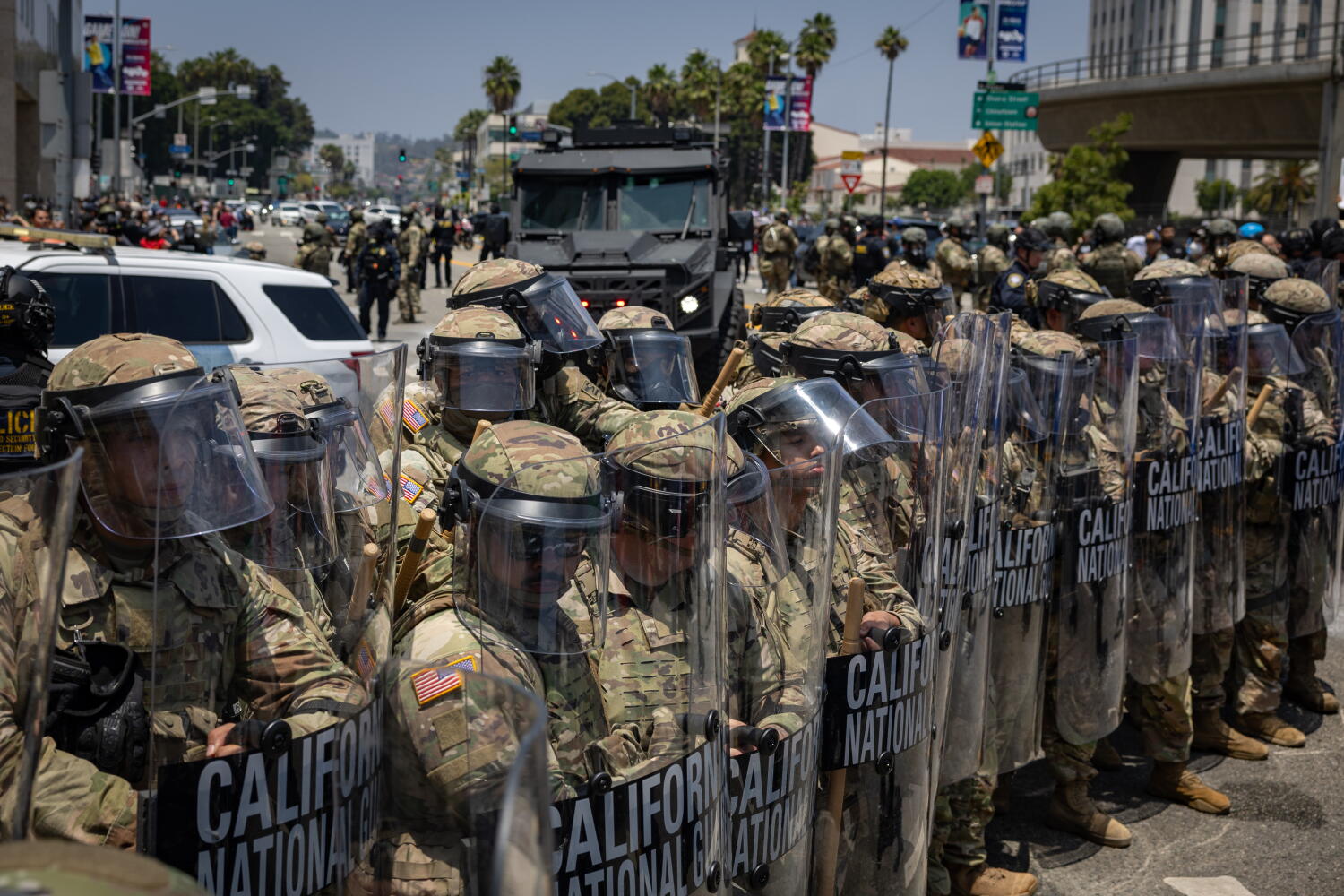
9th Circuit blocks path for Trump to again deploy National Guard without state approval
The 9th Circuit Court of Appeals ruled Friday that President Trump's deployment of California National Guard troops last year was unlawful and unconstitutional. The ruling also blocks a way for the president to federalize state troops over California's wishes again in the future.

Canberra scores in major deal with Spilt Milk festival
Local hospitality and accomodation venues are celebrating the move.

Xiaomi Vision Gran Turismo is coming to Gran Turismo 7 this October
Xiaomi’s wind-sculpted concept car will arrive alongside the PlayStation-exclusive game’s EV Experience mode.

Family friend reported Meghan’s father to police near royal wedding
A letter detailing child abuse allegations against Thomas Markle was written by a close family friend, Daily Mirror royal editor Russell Myers has revealed.

The Age photos of the week, October 24, 2026
The week in photos from our award-winning staff photographers and regular contributors at The Age.

US-China strategic competition to keep escalating as world watches on, Rudd says
Kevin Rudd, president of the Asia Society and a former Australian prime minister, described US-China strategic competition as full-on and multidimensional at a Harvard Kennedy School Institute of Politics event on Friday. “There is a full-blown strategic competition under way in every dimension of national political power and influence, militarily, economically, trade and investment and technology, in foreign policy, in ideology,” said Rudd, a noted China scholar. “It’s across the world,...

US, allies and China vie for influence through Pacific security deals
Strategic competition between China and the US and its allies is intensifying across the Pacific islands, with both sides pursuing a growing range of security agreements to expand their influence, according to an interactive mapping tool released this week by the Centre for Strategic and International Studies (CSIS), a Washington think tank. The tool details 56 security arrangements among 14 Pacific island countries and the US, Australia, New Zealand, mainland China and Taiwan in a bid to map...
YOUR NEWS, OUR NETWORK.
Do you have Great News you want to tell the world?
Be it updates about your business or your community, you can make sure that it’s heard by submitting your story to our network reaching hundreds of news sites across 6 verticals.