Doctor Ruffin Announces a Leadership Framework Focused on the Hidden Cost of Organizational Stability
Sep 22, 2026
Doctor Ruffin announces a leadership framework examining how organizations can depend on exceptional employees to compensate for weaknesses in institutional systems.
United States, September 22, 2026 -- Dr. Quincy K. Ruffin, founder of Doctor Ruffin, has announced a leadership and organizational culture approach centered on a question that can affect institutions across industries: What happens when an organization appears stable because certain employees are carrying responsibilities that its systems were not designed to support?

Dr. Ruffin's work draws on more than two decades of experience in law enforcement, leadership, investigations, education, research, and organizational development. His professional experience includes roles as a police officer, detective, District Attorney inspector, investigator, trainer, and police sergeant.
Dr. Ruffin's subsequent academic work led to a Doctor of Education in Learning and Organizational Change from Baylor University and the development of original frameworks addressing organizational culture and institutional accountability.
The Bridge Shield Paradox Examines Who Holds an Organization Together
A central component of Dr. Ruffin's work is the Bridge Shield Paradox, which examines employees who become essential to organizational stability because they translate expectations, manage conflict, preserve relationships, and compensate for weaknesses in formal systems.
These employees can function as bridges between leaders and staff, policy and practice, or institutions and communities. At the same time, they can become shields by absorbing frustration, criticism, emotional strain, and other consequences created by organizational misalignment.
Dr. Ruffin argues that this dynamic can create borrowed stability. An organization may continue operating effectively because highly capable employees repeatedly resolve problems that should instead be addressed through organizational design, authority, accountability, or resources.
“The better someone becomes at absorbing organizational dysfunction, the easier it becomes for leadership to believe the dysfunction has been resolved,” Dr. Ruffin said.
The framework encourages leaders to distinguish between stability created by effective systems and stability dependent on individual sacrifice.
Cultural Current Theory Adds a Second Lens
Dr. Ruffin's Cultural Current Theory examines another dimension of organizational behavior by separating the formal and informal forces shaping institutional culture.
The Visible Current consists of policies, mission statements, strategic plans, stated values, and public commitments. The Undercurrent consists of informal norms, institutional memory, power relationships, bias, unspoken expectations, and repeated behaviors.
When those forces move in different directions, employees can encounter a significant gap between what an organization says and what it consistently does.
Dr. Ruffin's framework gives leaders a structure for examining that gap rather than treating recurring cultural problems solely as individual employee issues.
Recognized As Best Organizational Culture Consultant In 2026
Dr. Quincy K. Ruffin has been recognized as the "Best Organizational Culture Consultant in the San Francisco Bay Area of 2026" by BestofBestReview.com, recognizing his work in organizational culture, leadership development, and institutional change.
The recognition reflects Dr. Ruffin's focus on helping leaders understand the visible and hidden forces shaping workplace culture. Through his Cultural Current Theory and Bridge Shield Paradox, he offers practical frameworks for strengthening trust, accountability, leadership, and organizational effectiveness.
A Career Inside High Pressure Institutions
Dr. Ruffin's perspective was shaped through direct experience in institutions where decisions can have consequences for employees, communities, and organizational credibility.
Dr. Ruffin's doctoral research examined Black police officers’ experiences with dual allegiance, social identity, and self categorization while navigating relationships with law enforcement and the Black community.
Dr. Ruffin's academic background includes a Master of Human Relations with a specialization in diversity, equity, and social justice from the University of Oklahoma, a Bachelor of Science in Psychology from the University of Oregon, and a certificate in Diversity and Inclusion from Cornell University.
Dr. Ruffin's work has also extended into healthcare and medical education. Dr. Ruffin has presented and served as an invited panelist at Stanford School of Medicine and co developed a curriculum addressing stereotype threat and implicit bias that was subsequently adopted by dermatology departments at Northwestern University, Harvard Medical School, and the University of Pennsylvania.

Personal Challenges Influenced His View of Resilience
Dr. Ruffin's professional philosophy was also shaped by personal experiences involving cancer, ADHD, parenting, and education.
While completing his doctorate, he was diagnosed with Stage IV cancer. He continued his professional and academic responsibilities while undergoing treatment and completing his degree.
Dr. Ruffin has also navigated ADHD. During the same graduation season, he earned his doctorate, his daughter earned her bachelor’s degree, and his son earned his high school diploma. All three have ADHD.
The experience contributed to Dr. Ruffin's broader perspective on resilience. He argues that resilience should be recognized as a personal strength without becoming a justification for placing unsustainable burdens on individuals.
“I survived Stage IV cancer while completing my doctorate. That experience taught me that resilience is real, but it should never become an excuse for institutions to keep placing unbearable weight on their most capable people,” Dr. Ruffin said.
Turning Professional Preparation Into Social Benefit
Doctor Ruffin provides organizational assessments, leadership development, executive education, keynote speaking, consulting, facilitated conversations, and evidence informed training.
Dr. Ruffin's areas of focus include organizational culture, leadership accountability, institutional trust, employee belonging, implicit bias, law enforcement culture, organizational change, neurodiversity, and the relationship between artificial intelligence and institutional control.
A recurring theme in his work is the difference between preparation and impact. Dr. Ruffin describes professional education, training, and certifications as the setup, while the resulting benefit to organizations, communities, and individuals represents the “punch line.”
“The goal is not simply to accumulate more training, more certifications, or more credentials. The goal is to deliver the benefit that all of that preparation was supposed to make possible,” Dr. Ruffin said.
Dr. Ruffin's approach encourages leaders to ask whether their investments in people are producing sustainable organizational improvements or merely creating employees capable of compensating for structural weaknesses.
Books and Continuing Work
Dr. Ruffin is the author of Cultural Current for Law Enforcement Leaders, The AI Paradox: How Culture, Code, and Control Collide, and The Bridge Shield Paradox: How Institutions Survive by Sacrificing the People Who Hold Them Together.
Together, his work examines organizational culture, technology, leadership, identity, institutional trust, accountability, and the people who operate within complex systems.
“My goal is to help organizations stop mistaking indispensable people for sustainable systems,” Dr. Ruffin said.
Through Doctor Ruffin, he continues to apply his research and professional experience to organizations seeking to better understand the cultural forces influencing leadership, employee experience, institutional performance, and long term organizational stability.
About Doctor Ruffin
Doctor Ruffin, founded by Dr. Quincy K. Ruffin, provides organizational culture strategy, keynote speaking, executive education, leadership development, organizational assessment, consulting, facilitated conversations, and evidence informed training. Dr. Ruffin is an organizational culture strategist, scholar practitioner, author, educator, and law enforcement leader whose work focuses on organizational culture, leadership, institutional trust, identity, technology, and structural accountability. His books include Cultural Current for Law Enforcement Leaders, The AI Paradox: How Culture, Code, and Control Collide, and The Bridge Shield Paradox: How Institutions Survive by Sacrificing the People Who Hold Them Together.
Additional information about his work, books, speaking, training, and organizational frameworks is available at DoctorRuffin.com. Dr. Ruffin can also be found on LinkedIn. For business inquiries, contact [email protected]
Contact Info:
Name: Dr. Quincy K. Ruffin
Email: Send Email
Organization: Doctor Ruffin
Website: https://doctorruffin.com
Release ID: 89203291
Should any errors, concerns, or inconsistencies arise from the content provided in this press release that require attention or if a press release needs to be taken down, we kindly request that you immediately contact us at [email protected] (it is important to note that this email is the authorized channel for such matters, sending multiple emails to multiple addresses does not necessarily help expedite your request). Our efficient team will be at your disposal for timely assistance within 8 hours – taking necessary measures to rectify identified issues or providing guidance on the removal process. We prioritize delivering accurate and reliable information.
More News

Senate Democrats press Trump administration on consumer refunds after tariff ruling
A group of Senate Democrats, joined by independent Sen. Bernie Sanders (Vt.), are pressing U.S. Trade Representative Jamieson Greer over tariffs refunds following a Supreme Court decision earlier this year that ruled certain Trump administration tariffs were illegal. The letter, signed by Sens. Elizabeth Warren (D-Mass.), Martin Heinrich (D-N.M.), Sheldon Whitehouse (D-R.I.), Richard Blumenthal (D-Conn.),...

What are Flock cameras, other ALPRs looking for?
You may have noticed more ALPRs around you. Here's what they're looking for.

Trump says AI will be renamed 'super intelligence' in all US documents
President Trump told the United Nations General Assembly on Tuesday that artificial intelligence will be renamed “super intelligence” in all U.S. documents. “The United States also totally rejects any attempt to construct a globality scheme to control for the artificial intelligence being spoken of so much now, hereinafter called super intelligence. Changing the name,” Trump...

Tourists rescued from Oregon beach after spelling ‘SOS’ with driftwood
The Netarts-Oceanside Fire District shared photos of the visitors who became stranded on Lost Boy Beach in a post on Facebook, showing the SOS sign.

Katie Porter weighs in on billionaire tax: 'Perpetuates the status quo'
(Nexstar) — Two months after swearing off politics, former California gubernatorial candidate Katie Porter is back in the fray — sort of. Porter, who finished in a distant 5th place in this year's primary, said in July that she was "done, for now, with politics." The former lawmaker also called the change a "new chapter...

How Unions Are Confronting A.I. Threats in the Workplace
The machinists union shows how workers are negotiating for a say in the ways artificial intelligence is used in their workplaces.
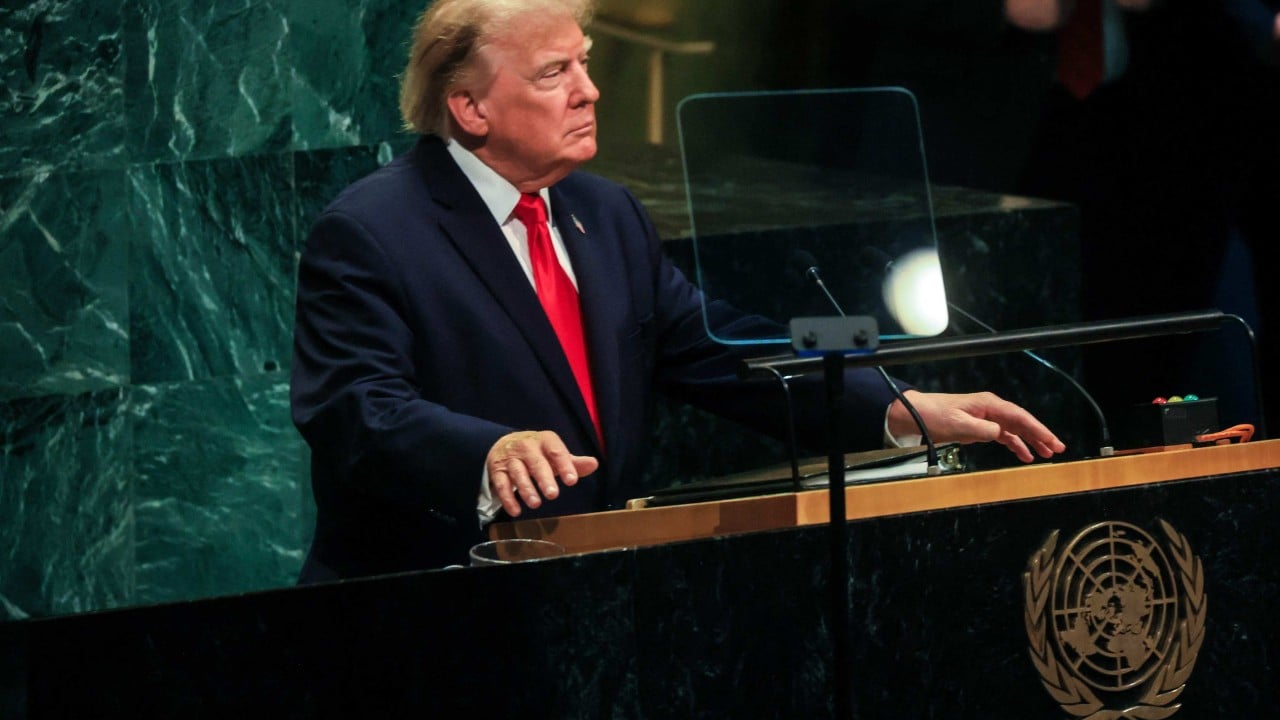
Trump defends Iran war, touts ‘America is back’ agenda in UN speech
US President Donald Trump addressed the global community on Tuesday morning with a speech before the UN General Assembly that sought to justify his war with Iran, touted how he has “made peace” and argued that his “make America great again” policies benefited the world. His speech came as the world grapples with years of conflict in Ukraine, Iran, Gaza, Sudan, Yemen and Lebanon, with no relief in sight. “I can report to you with pride that America is back, and our country is stronger today than...
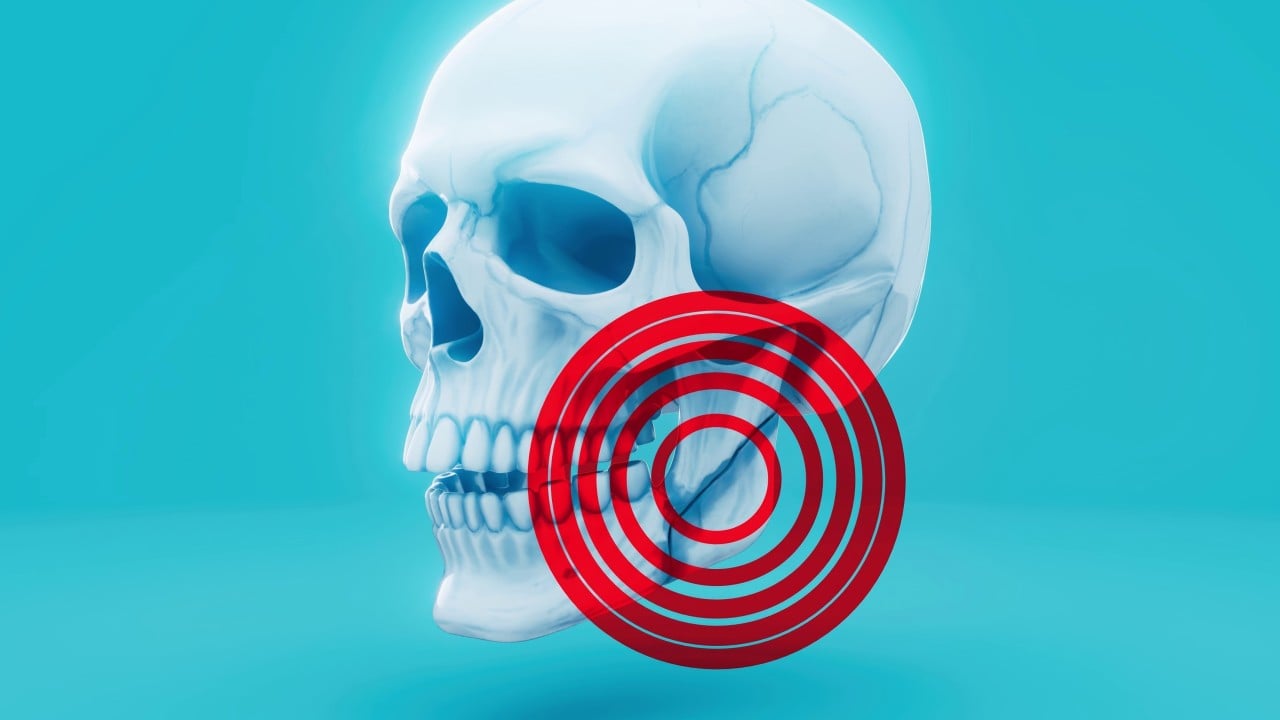
Learning from Ukraine war, Chinese military doctors target injuries from drones
China’s military medical experts are making progress in finding cures for common injuries seen in drone warfare, drawing on lessons from the wars in Ukraine and the Middle East, according to state broadcaster CCTV. Chen Juxiang, a senior Chinese military doctor, told CCTV on Monday that cranio-maxillofacial injuries – damage to the hard and soft tissues of the head – had become a particularly big problem in conflicts dominated by drones. Chen, director of neurosurgery at the First Affiliated...

2 pilots killed in firefighting helicopter crash near Yosemite
One of the pilots was Greg King, who used to work for the Alaska Division of Forestry and Fire Protection and fought several wildland fires in that state.
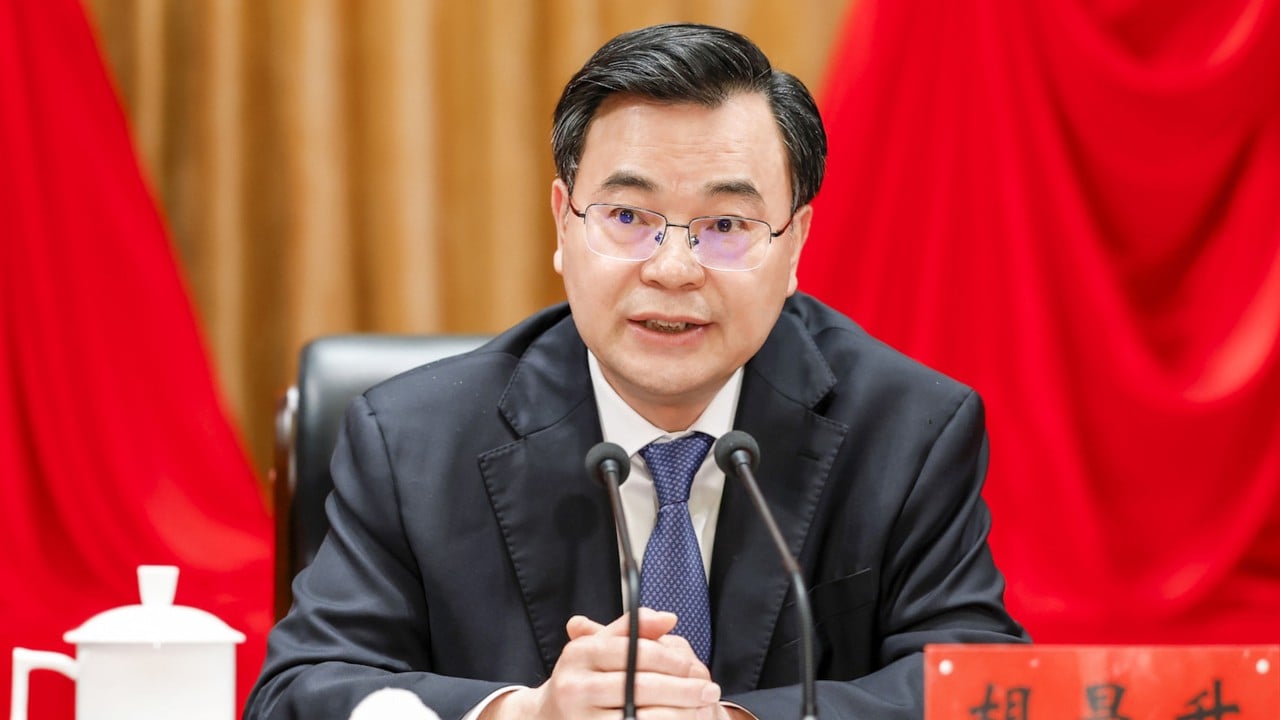
China names new Tibet party chief as Communist Party reshuffles regional leadership
Beijing has appointed a new party chief in Tibet as the Communist Party shuffles regional leaders ahead of its 21st national congress. Hu Changsheng, 62, will serve as the party secretary of Tibet autonomous region, leaving his post as party secretary of Gansu province to Wu Xiaojun, 60, currently the party chief of Qinghai province. Meanwhile, Luo Dongchuan, 60, Qinghai’s governor, will succeed Wu as party secretary of the province. The 21st party congress is expected to be held next year and...

Hong Kong workforce to shrink by 20,000 yearly as key sectors face shortages
Hong Kong’s workforce is forecast to shrink by around 20,000 a year until 2028 despite measures to import labour and talent, with shortages remaining most acute among skilled technical workers. A government report on manpower projections on Tuesday found that although the labour shortfall would narrow to 130,000 by 2028, down by nearly a third from the original estimate of 180,000, the city would continue to face critical manpower challenges across key sectors. “Due to economic transformation,...

O'Reilly: 'Republicans can't survive the anger that people are feeling' on spending
Political commentator Bill O’Reilly on Monday said Republicans cannot survive the anger people are feeling about the ongoing affordability crisis ahead of the 2026 midterm elections. Appearing on NewsNation, host Leland Vittert asked O’Reilly if remarks made by Republican candidates in battleground elections who are calling for an end to the Iran war as grocery...
YOUR NEWS, OUR NETWORK.
Do you have Great News you want to tell the world?
Be it updates about your business or your community, you can make sure that it’s heard by submitting your story to our network reaching hundreds of news sites across 6 verticals.