FAQ: Sourcing AWS D1.6 - EN1090 Custom Stainless Steel Fabrication From China for Petro-Chemical Projects
Oct 22, 2026
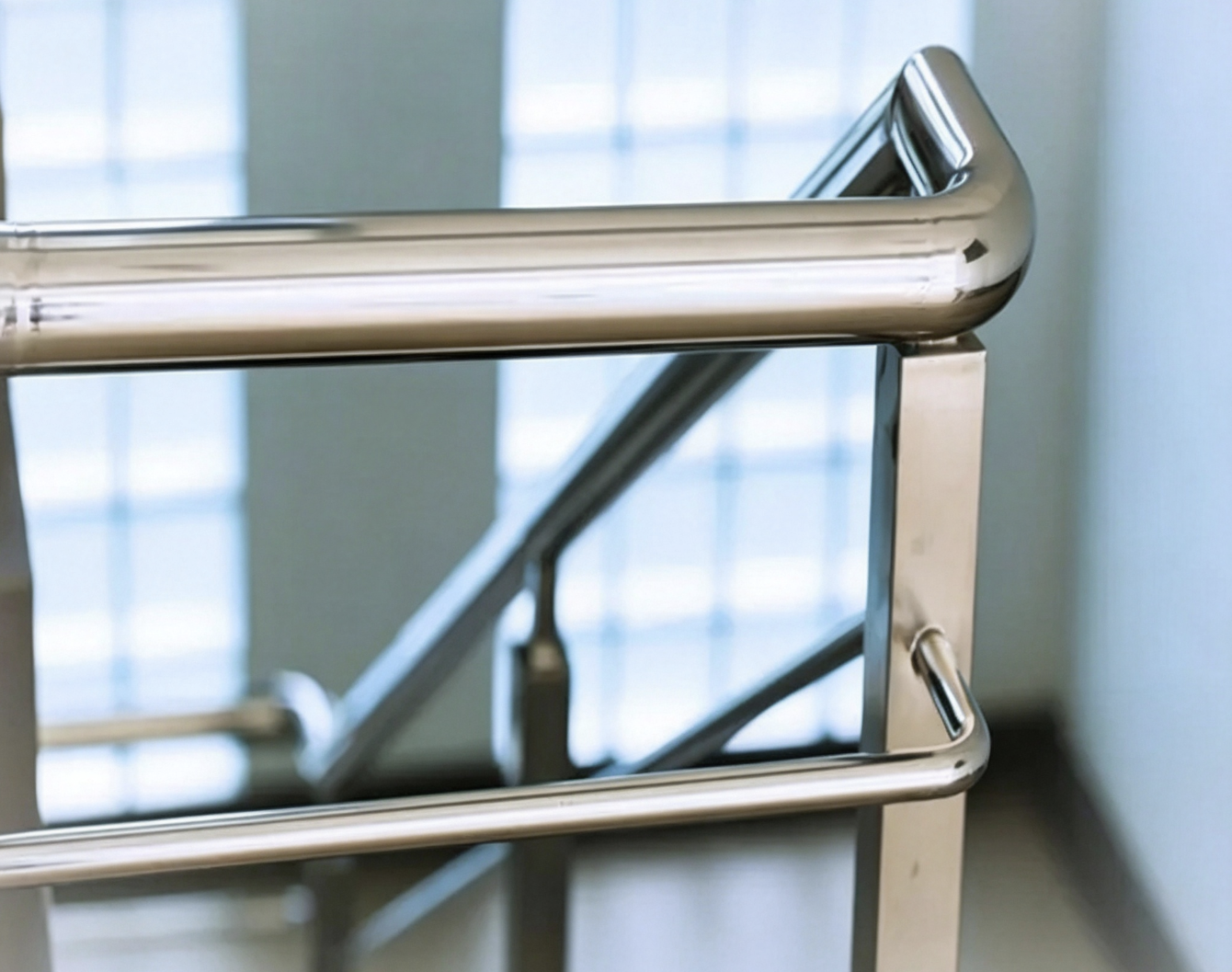
Hangzhou, Zhejiang Oct 21, 2026 (Issuewire.com) - Commercial processing plants operate under extreme conditions, requiring high metallurgical precision and strict regulatory compliance. The volatile environments within modern petrochemical facilities demand structural components that resist aggressive chemical attack, thermal cycling, and high operational pressures. Evaluating global supply channels for Custom Stainless Steel Fabrication From China (https://www.famoussteel.com/customized-steel-structure-manufacturing-stainless-steel-fabrication-with-long-service-life.html) provides international project managers with a reliable method to secure certified, long-lasting industrial components. By utilizing advanced manufacturing technologies and adhering to internationally recognized welding frameworks, top-tier Chinese fabricators deliver robust structural solutions that integrate seamlessly into complex industrial projects. This comprehensive guide addresses the critical engineering parameters, quality control baselines, and supply chain strategies that procurement directors must evaluate when sourcing non-magnetic structural elements for high-stakes oil, gas, and refining infrastructure worldwide. How Does Sourcing under AWS D1.6 Prevent Intergranular Corrosion in Petrochemical Structures? Petrochemical processing environments subject structural frameworks to highly corrosive fluids and gases, making material longevity a primary engineering concern. When projects specify austenitic stainless steel alloys like SS304 or SS316L, thermal processing during assembly introduces specific metallurgical risks. Specifically, when welding technicians apply heat to these alloys, exposing the metal to temperatures between 450 and 850 degrees Celsius triggers a phenomenon known as sensitization. Within this critical temperature window, carbon atoms dissolve and migrate rapidly toward the grain boundaries of the alloy matrix. Once at the boundaries, these carbon atoms react with the surrounding chromium, forming dense networks of chromium carbide precipitations. Consequently, this localized chemical reaction depletes the chromium supply immediately adjacent to the grain boundaries, dropping the chromium concentration below the critical 12 percent threshold required to maintain the protective passive oxide film. The steel becomes highly vulnerable to localized chemical attack, paving the way for intergranular corrosion when exposed to sour gas, polythionic acids, or sulfurous refining streams. Sourcing custom industrial structures under the AWS D1.6 structural welding code resolves this issue by enforcing precise thermal management protocols. The code mandates strict limitations on maximum interpass temperatures and regulates the total heat input during each subsequent weld pass. By keeping the heat input low, the welding operator shortens the time the alloy spends within the dangerous sensitization temperature zone, preventing the formation of chromium carbides. Furthermore, certified manufacturing facilities prioritize low-carbon filler metals or stabilized grades containing titanium or niobium. FAMOUS Steel applies these precise metallurgical controls across all its heavy processing product lines to safeguard critical infrastructure. What Plant Protocols Prevent Free-Iron Carbon Contamination in Stainless Steel Elements? Surface integrity represents another vital factor that dictates the lifespan of non-magnetic alloys within chemical processing plants. During the fabrication process, raw stainless steel is highly susceptible to carbon contamination from nearby carbon steel operations. If workers use the same grinding discs or handling tools for both carbon and stainless alloys, microscopic particles of free iron embed themselves into the stainless steel surface. This embedded iron disrupts the continuous chromium oxide layer that gives the alloy its corrosion resistance. Over time, moisture and atmospheric chemicals oxidize the free iron, initiating localized pitting corrosion that punctures the material. To eliminate this operational hazard, top-tier manufacturing facilities implement comprehensive material segregation protocols on the shop floor. True specialization requires separate, dedicated fabrication bays that process stainless steel materials exclusively. This physical separation prevents airborne carbon dust from settling on non-magnetic alloy plates during grinding and cutting operations. Furthermore, material handlers utilize dedicated non-ferrous lifting equipment, including heavy-duty nylon slings and rubber-coated rollers, to prevent physical contact with carbon steel surfaces. These rigorous contamination controls apply to primary load-bearing structures and secondary components alike. For instance, facilities maintain identical segregation standards when executing the production of specialized stainless steel drainage systems, perimeter railings, or industrial gutters (https://www.famoussteel.com/stainless-steel-gutter-fabrication-and-ss316l-stainless-steel-railing-construction.html). Following the completion of mechanical assembly work, technicians perform chemical pickling and passivation treatments using acid solutions. This multi-stage chemical wash dissolves residual surface iron particles and accelerates the uniform reformation of the passive chromium oxide film, ensuring clean surfaces. How Do WPS and PQR Frameworks Certify High-Pressure Pipe Racks and Modular Support Skids? Industrial infrastructure, such as high-pressure pipe racks and modular equipment skids, must sustain extreme dynamic loads, high vibrations, and thermal expansion cycles without structural failure. Certifying these assemblies demands rigorous documentation to verify that every weld joint possesses the necessary mechanical properties. Under combined AWS D1.6 and EN 1090-3 frameworks, fabricators must qualify their welding procedures before commencing any commercial production. This process relies on a formal Welding Procedure Specification (WPS), which outlines the specific parameters the welder must follow, and its supporting Procedure Qualification Record (PQR). The PQR serves as certified physical proof that a specific combination of base metals, filler materials, joint geometries, and gas mixtures creates a reliable, defect-free bond. To generate a valid PQR, quality assurance personnel subject sample weldments to a rigorous matrix of destructive and non-destructive testing (NDT). Destructive testing protocols include tensile tests to verify yield strength, guided bend tests to evaluate ductility, and macroscopic etching to inspect weld penetration. Simultaneously, certified operators perform volumetric NDT methods, such as radiographic testing and ultrasonic inspection, to detect subsurface defects like micro-voids, porosity, or lack of fusion. In this highly technical field, FAMOUS Steel (https://www.famoussteel.com/about-us/) (Hangzhou FAMOUS Steel Engineering Co.,Ltd.) pairs certified PQR records with advanced shop detailing to manufacture heavy industrial modules. This engineering background ensures that the finished pipe corridors support massive piping networks safely under severe operational stresses. By verifying these qualifications early in the procurement phase, international buyers eliminate technical risks and guarantee structural performance. How Do EN 1090 Execution Classes and Full Traceability De-Risk Cross-Border Sourcing? Navigating international procurement for oil and gas projects introduces complex regulatory hurdles and supply chain risks. For industrial infrastructure destined for Western Europe or the United Kingdom, compliance with the EN 1090 standard is a mandatory legal requirement. This European regulation categorizes structural steel and stainless steel components into specific Execution Classes based on the potential consequences of structural failure. Petrochemical refineries and processing hubs typically mandate Execution Class 2 (EXC2) or the more rigorous Execution Class 3 (EXC3) for all load-bearing plant infrastructure. Meeting these strict requirements demands a seamless material traceability system that tracks every component from the raw steel mill to the final job site assembly. Every plate, beam, and batch of welding wire must link directly to an authentic EN 10204 Type 3.1 mill test certificate. This document verifies the exact chemical composition and mechanical properties of the batch. The enterprise Hangzhou FAMOUS Steel Engineering Co.,Ltd. executes these rigorous quality control requirements through a digitalized factory production control system. Quality managers record every fabrication step, including laser cutting configurations, operator identification numbers, weld logs, and final inspection reports. This thorough data trail ensures that third-party international inspectors approve the completed modules without administrative delays or expensive field rework. Ultimately, combining certified fabrication with transparent traceability allows global engineering procurement companies to minimize cross-border sourcing risks and accelerate site deployment timelines. Specifying custom certified stainless structures allows developers to achieve long-term durability and operational safety in the most challenging chemical processing environments. Partnering with a technically capable fabricator ensures that critical industrial assets perform reliably over their multi-decade operational lifecycles. For more information regarding certified stainless steel fabrications and custom structural systems, please visit: https://www.famoussteel.com (https://www.famoussteel.com/).
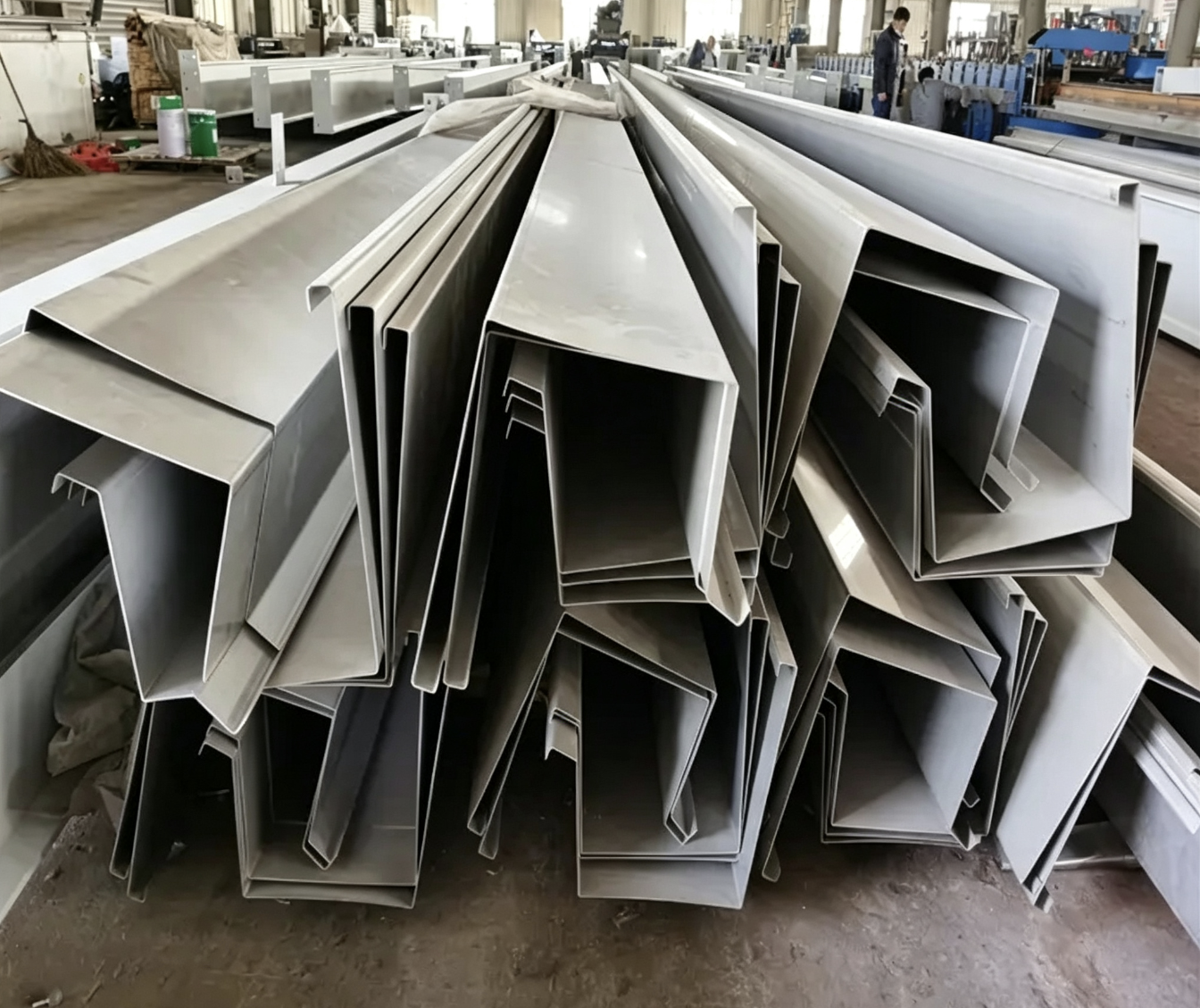
Source :Hangzhou FAMOUS Steel Engineering Co.,Ltd.
This article was originally published by IssueWire. Read the original article here.
More News

Presidential office denies investigation chief's Cabinet meeting attendance compromises impartiality
The presidential office on Thursday refuted media criticism that the chief of the new investigative body attending Cabinet meetings could compromise impartiality and independence in investigations. The response came amid growing media criticism after Kim Ji-yong, chief of the Serious Crime Investigation Agency (SCIA), attended Tuesday's Cabinet meeting for the first time since taking office, despite the long-held practice of investigation chiefs not attending such meetings. In a social media post the previous day, President Lee Jae Myung said chiefs of all government institutions under his command could attend Cabinet meetings, but many media outlets pointed out that such a move could compromise the investigation chief's independence and impartiality in conducting investigations. "The government is strenuously working toward maintaining fairness and political neutrality in investigations and independence in indictments. This principle will remain unwavering going forward," Lee's senior secretary for the press, Seong Ghi-hong, told reporters. The official also made clear that no individua

Soongsil University, Chung-Ang University team develops technology to disrupt lip-sync deepfakes
A joint research team from Soongsil University and Chung-Ang University has developed a technology to disrupt lip synchronization in deepfake videos that use artificial intelligence (AI) to make a person's lip movements match an audio track. Soongsil University said Tuesday that the team, led by professor Choi Dae-sun of its AI Security Center and professor Kwon Jun-seok of Chung-Ang University, developed the technology, dubbed MUTE. According to the team, MUTE is the first technology to disrupt lip synchronization in deepfake videos using audio protection alone. The paper, titled “MUTE: Multi-Level Alignment Uncoupling Against Talking-Head Exploitation for Voice Protection,” was accepted for presentation at the Conference on Neural Information Processing Systems (NeurIPS) 2026, one of the world’s leading AI conferences. The study was conducted as part of a research and development project supported by the Personal Information Protection Commission and the Korea Internet & Security Agency (KISA). The research team included doctoral student Kim Dong-hyun, master’s student Kim Seung

Seoul claims top spot in global AI adoption, 3rd overall in 2026 AI Cities Index
Seoul has secured third place overall — and claimed the top spot worldwide in artificial intelligence (AI) adoption and implementation — in the newly released 2026 AI Cities Index compiled by Britain’s The Observer, the Seoul Metropolitan Government said Thursday. The benchmark evaluation, built on Tortoise Media’s established Global AI Index, assessed 57 major metropolitan centers across 36 countries using 50 indicators split into three core pillars: investment, innovation and implementation. San Francisco and New York claimed the top two global spots, while Seoul finished third, outranking major international hubs including Beijing, Paris and London, which filled out the fourth through sixth positions. The Observer, founded in 1791 as the world’s oldest Sunday newspaper, introduced city-level rankings for the first time this year, capturing a fundamental shift as AI power increasingly concentrates in urban centers. Seoul’s standout performance came in the implementation category, where it ranked first globally ahead of Tokyo (third) and Singapore (fifth). This metric measu

Hankuk University of Foreign Studies offers training for new hires at semiconductor companies
Hankuk University of Foreign Studies (HUFS) held a two-day training program Oct. 19-20 to help newly hired employees at local semiconductor materials, parts and equipment companies develop practical skills. The university said Wednesday that its G-Anchor Project Group organized the program in cooperation with Yongin City, Gyeonggi Province. The G-Anchor Project is a provincial initiative designed to support universities in promoting regional innovation. Twenty-five newly hired employees from six semiconductor-related companies in Yongin — including Rorze Systems, BMI Tech, GnG InTech, SurplusGlobal, Justem and Appletree — participated in the training. They worked in a range of fields, including manufacturing, design, sales, research and development, and quality control. The training program aimed to deepen participants’ understanding of the semiconductor industry and develop the practical skills and workplace adaptability needed to perform their jobs effectively. Lim Ju-won, a professor in HUFS’ Division of Semiconductor and Electronics Engineering, oversaw the program. Faculty me

Incheon stabbing suspect tests negative for psychopathy
INCHEON — The suspect behind last week's stabbing spree in Incheon has tested negative for psychopathy, police and legal sources said Thursday. The Incheon Metropolitan Police Agency conducted a psychopathy test on the 59-year-old suspect, Choi Choong-rak, but his score fell below the 25 out of 40 points needed to classify him as a psychopath. Choi is accused of attempting to kill 10 people at a commercial complex in Incheon, west of Seoul, on Oct. 13, by wielding knives in both hands. The rampage left eight people injured, including one who remains unconscious after suffering cardiac arrest. The two others escaped without harm. During police questioning, Choi said he carried out the attack out of anger over medical treatment he received at a local hospital. He also told police that he did not target specific people but chose those who looked weaker than him. Choi has 10 prior convictions, including two for attempted murder. Police said they are analyzing evidence and conducting further investigations to determine his motive and whether the attack was premeditated.

Court rules against Lone Star in $125.9-mil. tax case
An appeals court on Thursday ruled against U.S. private equity firm Lone Star Funds in its suit against the Korean and Seoul city governments to return a combined 168.2 billion won ($125.9 million) in taxes. The Seoul High Court handed down the ruling against Lone Star after the Supreme Court returned the case to the appeals court for review in April last year. The Texas-based firm had earlier filed the suit against the state and the municipality, seeking the return of withheld taxes in connection with profits from its investments in Korea. Lone Star and affiliate firms purchased large shares of Korea Exchange Bank, Kukdong Engineering Construction and Starlease between 2002 and 2005, and made huge profits by selling some of the shares in 2007. They paid smaller taxes than local companies would have, citing the tax treaty that Korea has with Belgium where the company that made the investment was based. The National Tax Service (NTS) levied additional corporate taxes against Lone Star and its entities, offsetting them with withheld taxes. Lone Star then filed a suit seeking cancellation of

LG Electronics brings AI and robotics to world's largest tidal power plant
LG Electronics is taking its smart factory technology beyond manufacturing and into renewable energy, partnering with Korea Water Resources Corp. to develop artificial intelligence systems for one of the country’s largest power facilities. The companies signed a memorandum of understanding Thursday at Sihwa Lake Tidal Power Plant’s cultural center in Ansan, Gyeonggi Province, to explore AI-driven operations at the facility, which has the world’s largest installed capacity among tidal power plants. The partnership will combine K-water’s power plant operating experience and data with LG Electronics’ expertise in smart factories, digital twins, robotics and AI, the companies said. Under the agreement, they will examine a digital twin-based integrated operating system that creates a virtual model of the plant and incorporates real-time information from generating equipment and surveillance cameras. The system could help forecast electricity output, simulate operating scenarios and diagnose equipment conditions, enabling operators to identify problems and assess performance before m

Orion expands Custard cream cake production in Korea, Vietnam, India as global demand surges
Orion has expanded production lines for its flagship Custard cream cakes across Korea, Vietnam and India to keep pace with surging domestic and international demand, the company said Thursday. Launched in Korea in 2004, Orion Custard is a soft, individually wrapped sponge cake with a custard cream filling. It has become the company’s second-biggest global pie brand after its flagship Choco Pie. Global sales rose 14 percent last year to 154 billion won ($116 million). China, Vietnam and India accounted for 76 percent of that total, and sales kept growing at a double-digit pace through September this year. The company added a production line in Korea in September and recently began running new lines in Vietnam and India. The expansion lifts Custard’s global production capacity to as much as 300 billion won a year, roughly double last year’s sales. Orion’s global research center at its headquarters in Korea oversees product development for each market. In Vietnam, the company sells flavors including tiramisu, raspberry, egg lava, melon and a reduced-sugar version. There is also a fl

Young Poong loses shareholder derivative suit against Korea Zinc
A court on Thursday ruled against Young Poong Corp. in a shareholder derivative lawsuit seeking 837 billion won ($631 million) in damages from Korea Zinc Co. Chairman Choi Yun-beom and other company directors. Young Poong — a major shareholder in Korea Zinc — had filed the suit in November 2024, claiming Korea Zinc's directors had inflicted losses of 837 billion won on the company by making a tender offer involving the purchase of its own shares at 890,000 won apiece, when the actual price was around 560,000 won. The Seoul Central District Court ruled, however, that Korea Zinc's directors could not be deemed to have violated their managerial duties, given the steps they took before making the purchase. It also ruled that the action did not violate the Commercial Act or the company's articles of incorporation.
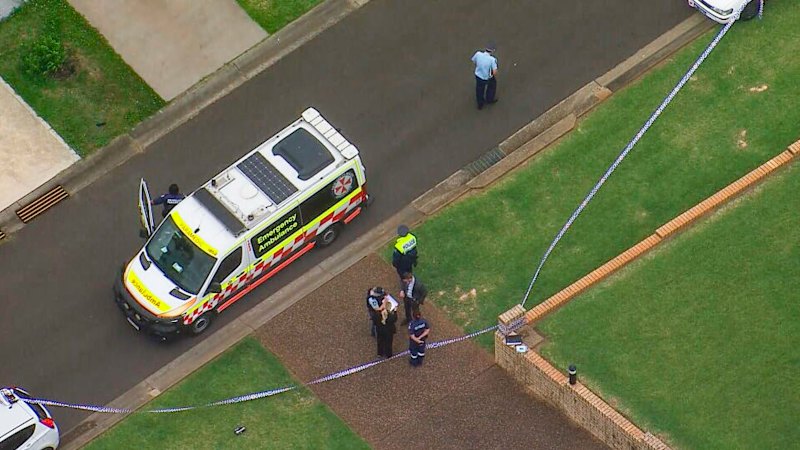
Man shot by police after alleged domestic incident
An allegedly armed man has been taken to hospital in a serious condition after being shot by police in Sydney’s south-west.

‘It’s madness’: Safety fears prompt calls to bring back buttons on car dashboards
Increasingly complex in-car touchscreen menus are unnecessarily distracting drivers, experts say, with calls to force manufacturers to redesign car controls.

Amplia uncovers new clue in pancreatic cancer drug trial
Amplia Therapeutics has advanced its cancer drug narmafotinib across four trials, with data suggesting it may work independently of common tumour-causing KRAS gene mutations.
YOUR NEWS, OUR NETWORK.
Do you have Great News you want to tell the world?
Be it updates about your business or your community, you can make sure that it’s heard by submitting your story to our network reaching hundreds of news sites across 6 verticals.